
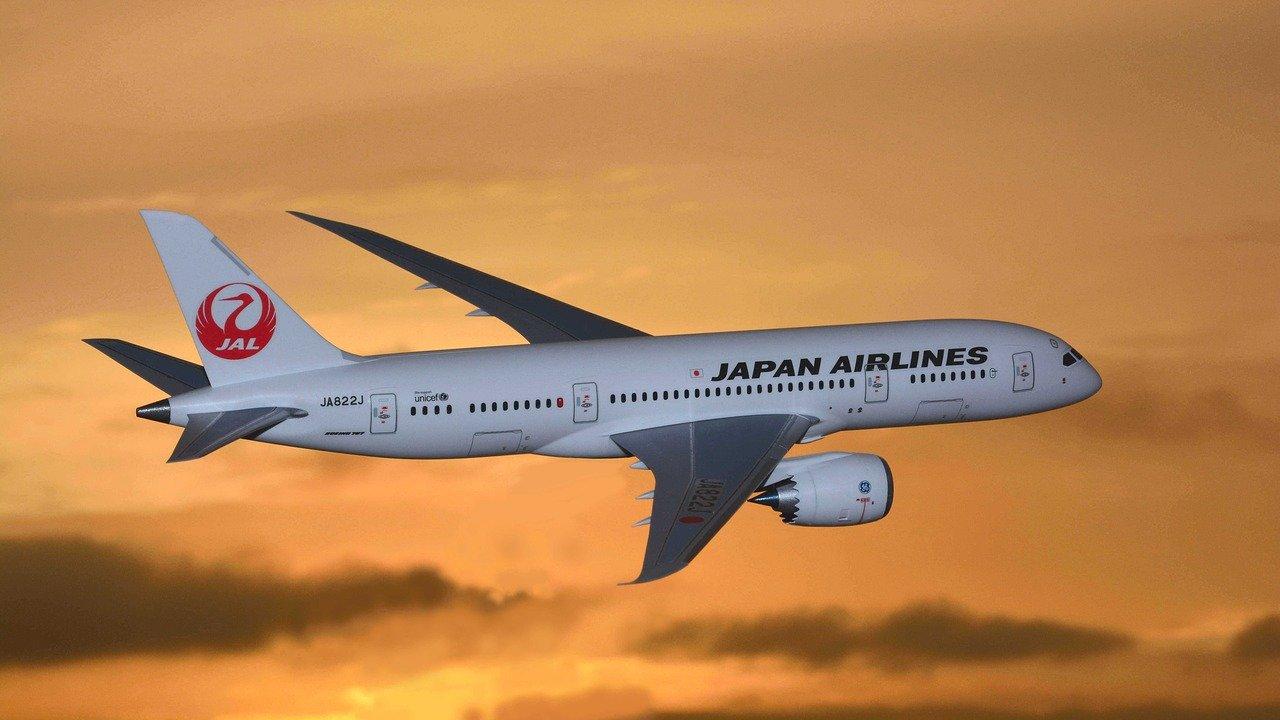
Luxembourg / Tokyo, 21 April: SES has announced a strategic agreement with Japan Airlines to deploy advanced multi-orbit inflight connectivity (IFC) solutions across its long-haul fleet, marking a major step in onboard digital innovation.
The partnership aims to provide passengers with high-speed, reliable internet connectivity throughout their journey, enhancing the inflight experience on international routes. As global travellers increasingly expect seamless digital access, the initiative reflects the airline’s focus on meeting evolving customer needs.
Deployment Across 41 Aircraft
Under the agreement, the airline will install SES’s next-generation electronically steered antenna (ESA) systems across a total of 41 aircraft, including:
- 20 Airbus A350-900 aircraft
- 10 Boeing 787-9 aircraft
- 11 Boeing 787-9 aircraft (retrofit installations)
The rollout of linefit-equipped aircraft is scheduled to begin in 2028. Retrofit programmes will be implemented across existing aircraft to ensure fleet-wide consistency and service reliability.
Next-Generation Inflight Connectivity Technology
SES’s ESA technology represents a significant advancement in inflight connectivity. It enables seamless switching between geostationary (GEO) and low Earth orbit (LEO) satellite networks.
Key benefits include:
- Faster internet speeds for browsing and streaming
- Reduced latency for real-time communication
- Seamless global coverage across routes
- Improved reliability over remote and oceanic regions
This multi-orbit capability ensures uninterrupted connectivity, addressing long-standing limitations of traditional satellite systems.
Strengthening a Long-Term Partnership
The agreement builds on a long-standing collaboration between SES and the carrier, which spans more than a decade. Both organisations have worked closely to enhance onboard connectivity and digital services.
Previously, similar ESA systems were planned for Boeing 737-8 aircraft, with deliveries expected to begin in 2027. The expansion to long-haul operations marks a significant evolution in the partnership.
According to SES, the deployment will enable faster and more dependable onboard connectivity, improving overall passenger satisfaction.
Focus on Digital Innovation
Japan Airlines has consistently been at the forefront of inflight digital innovation. The airline introduced complimentary inflight internet on domestic routes in 2017, setting new standards for customer experience.
The carrier continues to invest in advanced technologies aimed at enhancing passenger convenience, engagement, and service quality. These efforts align with broader industry trends focused on digital transformation.
Industry Impact and Growing Demand
The adoption of multi-orbit inflight connectivity reflects a wider industry shift, as airlines invest in advanced infrastructure to meet growing passenger expectations.
High-speed internet access has become essential for modern travellers. Business passengers rely on connectivity for productivity, while leisure travellers expect seamless entertainment and communication during flights.
Airlines offering reliable connectivity are seeing improved customer satisfaction and stronger brand loyalty, making inflight internet a key competitive differentiator.
Future Outlook for Aviation Connectivity
Headquartered in Luxembourg, SES continues to expand its global capabilities following its acquisition of Intelsat. This strengthens its position as a leading provider of satellite-enabled connectivity solutions.
The collaboration highlights the growing importance of satellite technology in shaping the future of aviation. Airlines are increasingly adopting multi-orbit systems to deliver consistent and high-quality digital experiences onboard.
Conclusion
The partnership between SES and Japan Airlines marks a significant milestone in inflight connectivity innovation. By integrating multi-orbit technology, the airline is set to deliver faster, more reliable, and globally consistent internet services.
As passenger expectations continue to evolve, investments in advanced connectivity solutions will play a crucial role in enhancing the overall travel experience and maintaining competitiveness in the aviation sector.
Readers are encouraged to follow Travel Trade News across social media platforms for regular updates, breaking news, and exclusive industry insights.
To publish your news, press releases, or industry updates, reach out to us at connect@ttnconnect.world