
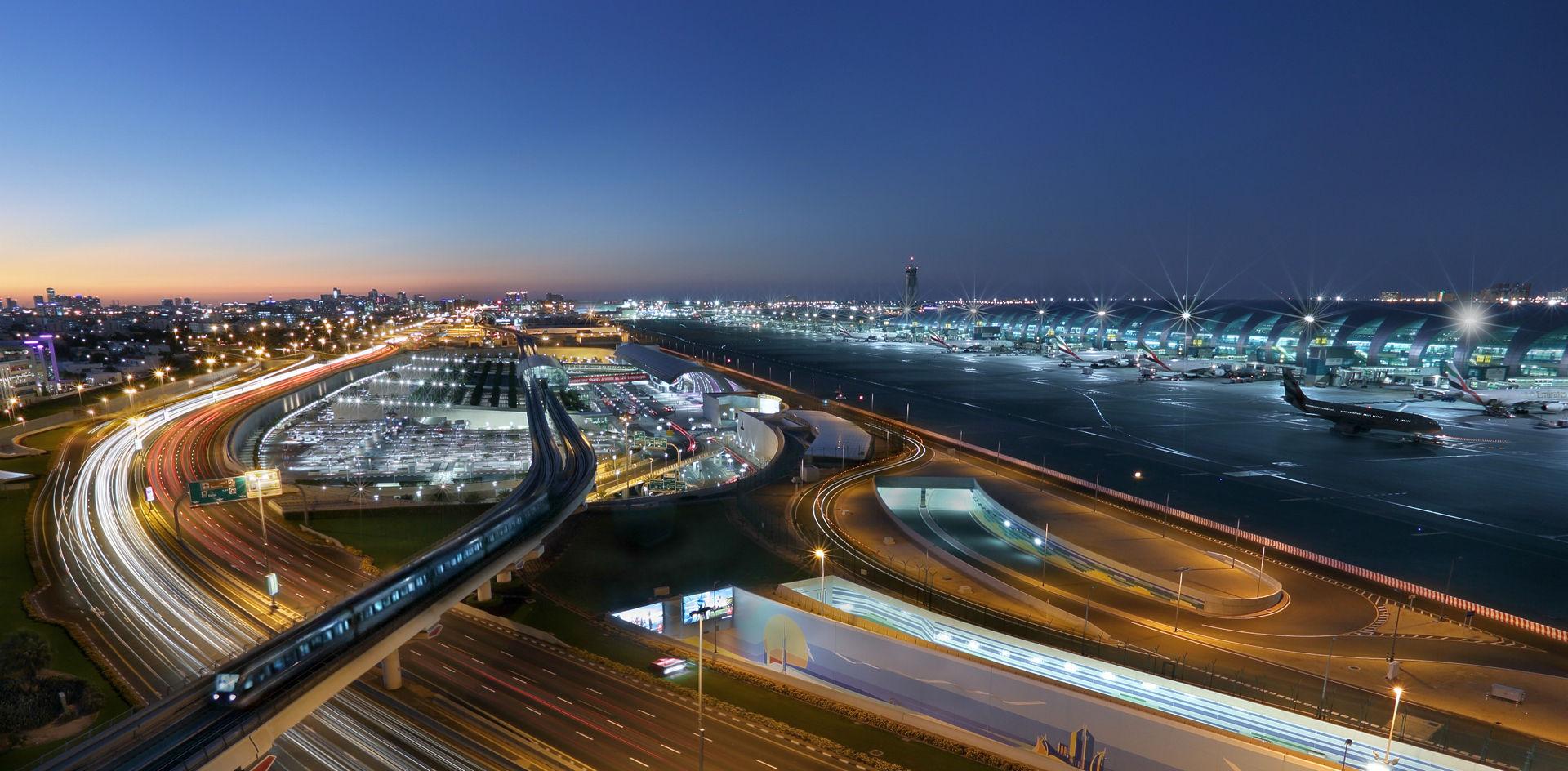
Dubai, 17 April 2026: Dubai Airport is currently facing significant operational disruptions as escalating geopolitical tensions in the Gulf region begin to impact global aviation networks. As one of the world’s busiest transit hubs, Dubai International Airport plays a critical role in connecting Europe, Asia, and the Middle East.
Recent developments have led several international airlines to suspend or reduce flights, creating uncertainty for travelers and the broader travel industry.
Dubai Airport Faces Flight Disruptions Amid Gulf Tensions
The situation at Dubai Airport is closely linked to ongoing instability in parts of the Middle East. Airspace restrictions and safety concerns have forced airlines to reassess their operations.
Major European carriers have:
- Suspended selected routes
- Reduced flight frequencies
- Adjusted schedules to avoid affected airspace
These measures are designed to ensure passenger safety while managing operational risks.
Airlines Adjust Routes and Capacity
As disruptions continue, airlines operating through Dubai Airport are implementing contingency plans to maintain essential services.
Key adjustments include:
- Rerouting flights to avoid restricted zones
- Reducing capacity on specific routes
- Increasing fuel loads due to longer flight paths
These operational changes are leading to extended travel times and higher costs for airlines, which may eventually influence ticket pricing trends.
Indian Carriers Maintain Limited Connectivity
Despite global disruptions, Indian airlines continue to operate limited services through Dubai Airport, maintaining crucial connectivity between India and United Arab Emirates.
This route remains vital for:
- Business and corporate travel
- Expatriate communities
- Trade and cargo movement
The continued operation of these services highlights the strategic importance of India-UAE travel corridors.
Passenger Advisory for Dubai Airport Travelers
Passengers traveling via Dubai Airport are advised to remain vigilant and stay updated as flight schedules remain fluid.
Travelers should:
- Check flight status frequently
- Maintain communication with airlines
- Allow additional time for airport procedures
- Prepare for potential delays or last-minute changes
Being proactive can help reduce inconvenience during this period of uncertainty.
Impact on Global Travel Networks
The disruption at Dubai Airport has far-reaching implications due to its role as a major global transit hub.
Key impacts include:
- Delays in connecting international flights
- Disruptions across long-haul travel routes
- Increased pressure on alternative hubs such as Doha and Abu Dhabi
Given Dubai’s central role in global aviation, even minor disruptions can create ripple effects across multiple regions.
Travel Trade Adapts to Changing Conditions
For the travel trade, the situation at Dubai Airport presents both operational challenges and opportunities.
Travel agents and tour operators are responding by:
- Offering flexible booking policies
- Recommending alternative routes and hubs
- Providing real-time updates to clients
This adaptability is essential to maintain service reliability and customer confidence.
Dubai’s Infrastructure Supports Recovery
Despite current challenges, Dubai Airport is equipped with advanced infrastructure and strong crisis management systems. The airport has a proven track record of handling disruptions efficiently.
Authorities are working closely with airlines and aviation stakeholders to ensure smooth coordination and minimize disruption wherever possible.
Outlook for Dubai Airport Operations
Looking ahead, operations at Dubai Airport are expected to stabilize gradually as geopolitical conditions improve.
In the long term:
- Airlines are likely to restore routes
- Capacity will increase
- Passenger confidence will return
Dubai’s strategic location and world-class facilities will continue to support its position as a leading global aviation hub.
Conclusion
The situation at Dubai Airport highlights the sensitivity of global aviation to geopolitical developments. While disruptions pose short-term challenges, the airport’s resilience and operational strength ensure it remains a key player in international travel.
Travelers and industry stakeholders should remain flexible and informed as the situation evolves.
Additional Advisory for Travelers
In addition to monitoring flight updates, passengers transiting through Dubai International Airport should also review visa requirements, transit policies, and baggage regulations, as these may be affected by schedule changes or rerouted flights. Travel insurance and flexible booking options are increasingly recommended to manage uncertainty during this period.