
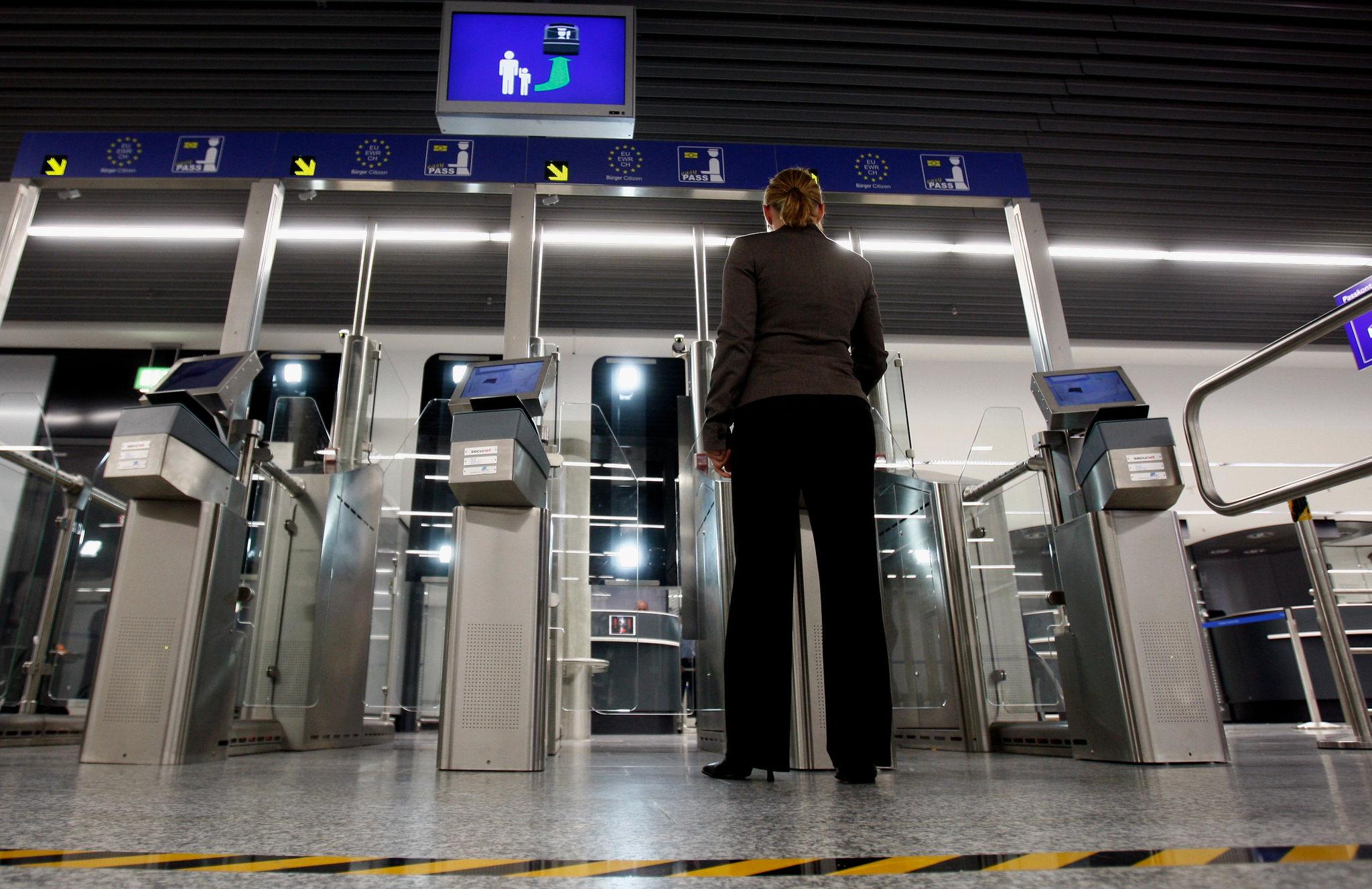
Bengaluru, 17 April: New EU Travel has entered a transformative phase in 2026 with the full rollout of the Entry/Exit System (EES) across the Schengen Area. This advanced system replaces traditional passport stamping with biometric verification, including facial recognition and fingerprint scanning, marking a major shift toward digital border management.
The initiative reflects Europe’s broader strategy to modernize travel processes while strengthening border security and improving efficiency for international travelers.
New EU Travel Introduces Biometric Border Control
A central feature of New EU Travel is the adoption of biometric technology at immigration checkpoints. Instead of manual passport stamping, traveler data is digitally recorded and verified in real time.
The system applies to non-EU visitors entering for short stays and includes:
- Facial recognition verification
- Fingerprint scanning
- Automated entry and exit tracking
These upgrades are designed to minimize errors, reduce identity fraud, and ensure accurate monitoring of traveler movements across European countries.
Benefits for Security and Operational Efficiency
The rollout of this system brings multiple long-term advantages for both authorities and passengers.
Key benefits include:
- Enhanced border security
- Faster processing through automation
- Reduced reliance on manual checks
- Improved accuracy in travel records
Over time, these improvements are expected to streamline airport operations and significantly reduce congestion at major entry points.
Initial Challenges and Airport Delays
Despite its benefits, the initial implementation phase has presented operational challenges. Reports from major European airports highlight:
- Longer queues at immigration counters
- Delays during peak travel periods
- Additional processing time for first-time users
These issues are largely temporary and are expected to improve as systems stabilize and travelers become more familiar with the process.
What Travelers Should Expect Under New EU Travel
Adapting to New EU Travel requires better preparation before departure. Travelers entering Europe should ensure they are ready for the updated procedures.
Key recommendations include:
- Carry valid and updated travel documents
- Arrive earlier than usual at airports
- Be prepared for biometric verification
- Follow updated immigration guidelines
Being well-prepared can significantly reduce delays and ensure a smoother travel experience.
Role of Travel Agents and Industry Stakeholders
The transition has increased the importance of communication within the travel industry. Travel agents, tour operators, and airlines are playing a critical role in helping passengers adapt.
Industry stakeholders are:
- Providing updated travel advisories
- Assisting with documentation and compliance
- Educating travelers about new procedures
This proactive approach helps minimize confusion and enhances the overall journey.
Integration with Future Digital Travel Systems
The Entry/Exit System is part of a broader digital transformation across Europe. Upcoming systems like ETIAS will further streamline entry procedures.
Together, these systems aim to:
- Create a fully digital travel ecosystem
- Strengthen border security
- Enable seamless cross-border movement
This integration signals a major evolution in global travel management.
Global Impact on Travel Trends
The introduction of New EU Travel is expected to influence travel systems worldwide. Other regions may adopt similar biometric solutions, leading to increased automation in border control.
This shift will result in:
- Greater use of digital identity verification
- Increased reliance on automation
- Stronger focus on compliance and security
Travelers globally will need to adapt to these evolving requirements.
Future Outlook
As the system matures, processing times are expected to improve significantly. The long-term vision is a faster, safer, and more efficient travel experience across Europe.
While the transition phase may present short-term challenges, it represents a major step forward in modernizing global travel infrastructure.
Conclusion
The rollout of New EU Travel through the Entry/Exit System marks a turning point in international travel. By integrating biometric technology with digital systems, Europe is setting a new benchmark for secure and efficient border control.
For travelers and the travel industry alike, adapting to this transformation will be essential in navigating the future of global mobility.