
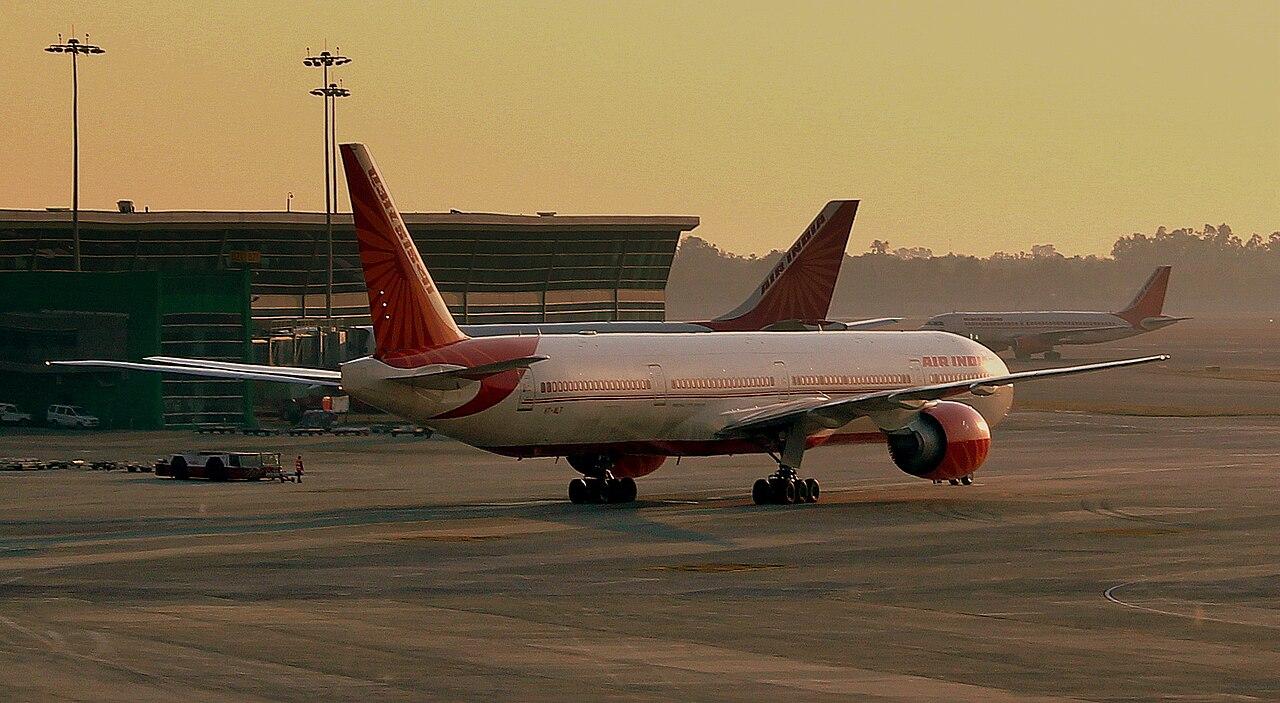
New Delhi, 14 June 2026: Air India fleet expansion plans are reportedly undergoing a strategic review as the Tata Group-owned airline explores options to defer aircraft deliveries from Airbus and Boeing. The move comes amid rising operational costs, geopolitical uncertainties, and growing pressure to balance aggressive growth ambitions with long-term financial sustainability.
According to multiple media reports, Air India is in discussions with both aircraft manufacturers to postpone the delivery of hundreds of aircraft from its record-breaking order book. The reported talks are aimed at preserving liquidity, managing capital expenditure, and ensuring that fleet growth remains aligned with operational requirements.
The development marks a significant shift from the rapid expansion strategy that has defined Air India’s transformation since the Tata Group regained ownership of the airline in 2022.
Air India Fleet Expansion Strategy Enters a New Phase
The reported delivery discussions suggest that the Air India fleet expansion programme is entering a more measured phase focused on sustainable growth.
Industry analysts note that delivery deferrals are a common practice in aviation and do not indicate order cancellations. Instead, they allow airlines to adjust fleet induction schedules based on market conditions, operational readiness, and financial priorities.
By delaying aircraft handovers, airlines can postpone large capital payments while maintaining long-term fleet commitments.
Air India continues to hold one of the largest aircraft order books in global aviation, highlighting its commitment to long-term growth despite short-term adjustments.
Massive Aircraft Orders Remain Central to Air India Fleet Expansion
Despite reports of possible delivery delays, the airline’s broader Air India fleet expansion programme remains intact.
In 2023, Air India announced one of the largest aircraft orders in aviation history, confirming purchases for 470 aircraft, including:
- 250 Airbus aircraft
- 220 Boeing aircraft
The order includes:
- Airbus A350 aircraft
- Airbus A320neo family jets
- Boeing 787 Dreamliners
- Boeing 777X aircraft
- Boeing 737 MAX aircraft
The airline further strengthened its future fleet plans by ordering an additional 100 Airbus aircraft in 2024 and announcing further Boeing commitments in 2026.
These investments remain critical to Air India’s ambition of becoming a globally competitive full-service carrier.
Financial Challenges Prompt Strategic Review
The reported review of the Air India fleet expansion strategy comes as the airline faces several financial and operational challenges.
Since privatization, Air India has invested heavily in:
- Fleet modernization
- Cabin refurbishment
- Digital transformation
- Customer experience improvements
- Network expansion
- Integration of Vistara operations
While these investments are central to the airline’s transformation journey, industry reports indicate that financial pressures continue to affect the business.
The carrier is also dealing with challenges such as:
- Rising jet fuel prices
- Global geopolitical uncertainty
- Airspace restrictions on key routes
- Supply chain disruptions
- Increasing operating expenses
These factors have encouraged management to adopt a more cautious approach to future expansion.
Route Expansion Plans May Be Reassessed
As part of the strategic review, Air India is reportedly evaluating certain domestic and international route launches.
Industry observers believe future network growth could be more closely aligned with aircraft availability, profitability targets, and operational efficiency.
Reports suggest that some planned services linked to upcoming infrastructure projects, including Noida International Airport, may be reviewed as part of broader planning efforts.
However, aviation experts emphasize that a temporary adjustment to delivery schedules does not necessarily indicate reduced long-term growth ambitions.
Key Highlights of Air India Fleet Expansion
The ongoing Air India fleet expansion programme remains one of the most ambitious airline transformation projects globally.
Key highlights include:
- One of the world’s largest aircraft order books
- Significant investments in fleet modernization
- Expansion of domestic and international connectivity
- Enhanced customer experience initiatives
- Integration of Air India and Vistara operations
- Continued focus on operational efficiency
The airline continues to position itself for long-term growth while adapting to evolving market conditions.
Why Air India Fleet Expansion Remains Important
The Air India fleet expansion programme plays a vital role in the airline’s long-term strategy.
Modern aircraft provide:
- Improved fuel efficiency
- Lower operating costs
- Better passenger comfort
- Enhanced reliability
- Reduced environmental impact
Fleet modernization is essential for competing with domestic and international rivals while supporting network growth and improving service standards.
Industry experts believe that balancing aircraft deliveries with operational capacity will strengthen Air India’s ability to achieve sustainable growth.
Impact on Airbus and Boeing
Any adjustment to delivery schedules could also affect Airbus and Boeing, both of whom count Air India among their most important customers.
Although deferred deliveries would not alter the overall size of Air India’s aircraft orders, they could influence:
- Production schedules
- Delivery timelines
- Revenue recognition
- Cash flow planning
Both manufacturers continue to view India as one of the world’s fastest-growing aviation markets.
Future Outlook for Air India
Despite the reported delivery discussions, Air India remains committed to its broader transformation programme.
The airline continues to focus on:
- Improving operational reliability
- Expanding international connectivity
- Enhancing customer satisfaction
- Modernizing its fleet
- Strengthening financial performance
A more disciplined approach to fleet growth could ultimately support the airline’s long-term ambitions while reducing operational and financial risks.
FAQ
Is Air India cancelling its aircraft orders?
No. Current reports suggest Air India is discussing delivery deferrals rather than order cancellations.
Why is Air India considering delivery delays?
The airline is reportedly seeking to manage costs, preserve liquidity, and align aircraft deliveries with operational requirements.
Will delivery delays affect future route expansion?
Some route launches may be reviewed, but Air India remains focused on long-term domestic and international growth.
How many aircraft has Air India ordered?
Air India has announced orders and commitments for hundreds of Airbus and Boeing aircraft as part of its transformation strategy.
Conclusion
The reported review of Air India fleet expansion plans highlights a strategic shift towards sustainable growth and financial discipline. While aircraft delivery schedules may be adjusted, the airline remains committed to modernization, operational excellence, and long-term expansion.
Additional Conclusion
As global aviation faces economic uncertainty and operational challenges, airlines are increasingly balancing growth ambitions with financial prudence. The evolving Air India fleet expansion strategy demonstrates the carrier’s commitment to building a stronger, more resilient business while maintaining its long-term vision of becoming a world-class airline. By carefully aligning aircraft acquisitions with market demand and operational readiness, Air India is positioning itself for sustainable success in one of the fastest-growing aviation markets in the world.