
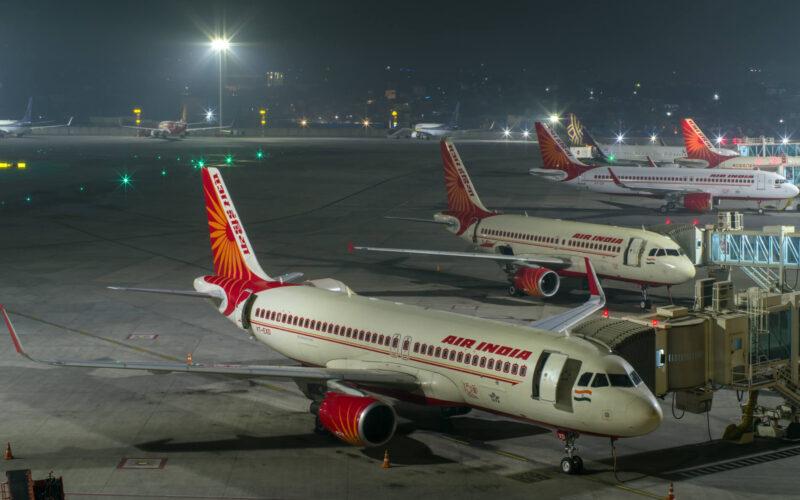
Bengaluru, 2 May 2026: Air India flight cuts are set to impact nearly 100 domestic and international services through July, as Air India grapples with soaring jet fuel prices and ongoing airspace restrictions that are making several overseas routes financially unviable.
The airline’s CEO and Managing Director Campbell Wilson informed employees that while some reductions had already been implemented in April and May, worsening conditions have forced the airline to extend cuts into June and July.
Air India Flight Cuts Extend Across Key International Routes
The latest Air India flight cuts will affect operations to major global destinations, including Europe, North America, Australia, and Singapore. The airline, which operates nearly 1,100 flights daily, is now adjusting schedules to manage rising operational costs.
Airspace curbs linked to geopolitical tensions, including disruptions around the Strait of Hormuz, have forced airlines to take longer routes, significantly increasing fuel consumption and travel time.
Rising Fuel Prices Drive Air India Flight Cuts
A major driver behind the Air India flight cuts is the sharp rise in aviation turbine fuel (ATF) prices. Global jet fuel prices surged to approximately $179.46 per barrel in late April, compared to around $99.40 at the end of February.
Crude oil prices have also crossed $126 per barrel amid escalating geopolitical tensions, further increasing operational costs for airlines. Since late February, fuel benchmarks have risen sharply across the board, putting additional pressure on the aviation sector.
Challenging Operating Environment for Air India
According to Campbell Wilson, the combination of higher fuel prices, extended flight routes, and airspace restrictions has created an extremely challenging environment for the airline.
The airline has already been facing financial strain, with estimated losses exceeding ₹22,000 crore for the financial year ending March 31, 2026. These factors have made it necessary to reduce schedules and manage capacity more efficiently.
Passenger Impact and Airline Response
The Air India flight cuts are expected to disrupt travel plans for passengers, particularly those flying on long-haul international routes. The airline has acknowledged the inconvenience caused and expressed hope that conditions will stabilize soon.
In a communication to staff, Wilson noted that the airline regrets the disruption to both passengers and crew schedules but emphasized that the decision was necessary given the current situation.
Broader Impact on Aviation and Oil Sectors
The crisis affecting Air India is part of a wider trend impacting the aviation and energy sectors. Rising crude prices have significantly increased costs for oil marketing companies, which are dealing with higher expenses across petrol, diesel, LPG, and aviation fuel.
Despite global price increases, domestic fuel prices in India have remained relatively stable, as the government seeks to shield consumers from volatility. However, prolonged high crude prices could eventually lead to adjustments or increased financial pressure on public finances.
Air India Flight Cuts Reflect Industry-Wide Pressure
The Air India flight cuts highlight the vulnerability of airlines to global economic and geopolitical factors. Fuel costs typically account for a major portion of airline operating expenses, and sudden increases can quickly impact profitability.
Industry experts note that airlines worldwide are facing similar challenges, with many adjusting capacity and revising routes to cope with rising costs and operational constraints.
Future Outlook for Air India
Looking ahead, the airline’s ability to restore normal operations will depend on stabilizing fuel prices and easing airspace restrictions. The reopening of key routes and normalization of flight paths could help reduce costs and improve efficiency.
With leadership changes also on the horizon, as Campbell Wilson prepares to step down later this year, the airline is entering a critical phase of restructuring and recovery.
Conclusion
The Air India flight cuts underscore the significant challenges facing the aviation industry amid rising fuel prices and geopolitical disruptions. While the reductions are expected to be temporary, they highlight the need for airlines to adapt quickly to changing global conditions.
As the situation evolves, both passengers and industry stakeholders will be closely watching how the airline navigates this period of uncertainty.