
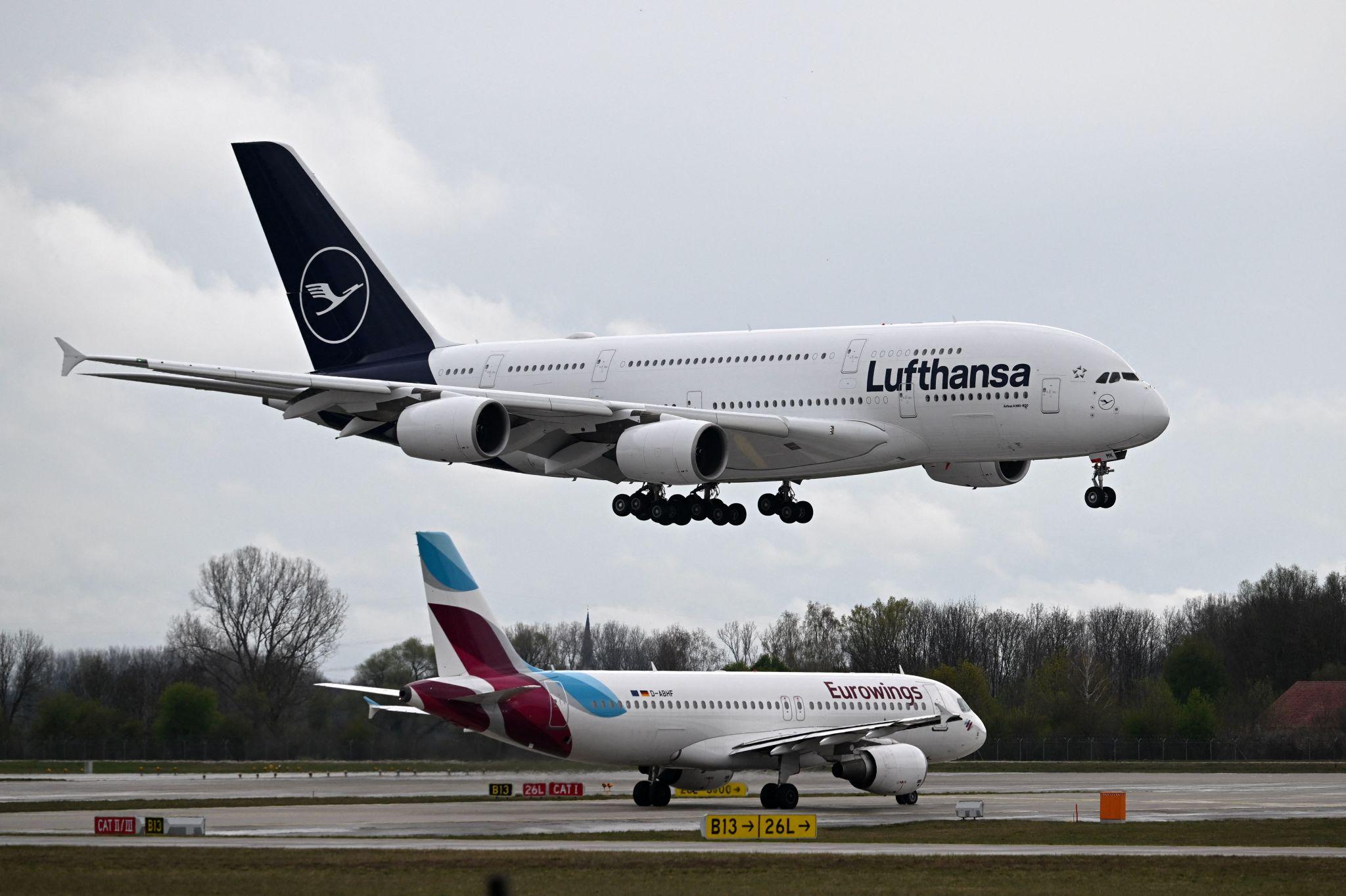
Bengaluru, 22 April: Deutsche Lufthansa AG has announced plans to cut 20,000 uneconomic short-haul flights from its European summer schedule, as surging jet fuel prices continue to strain airline profitability following the ongoing Iran conflict.
The move represents around 1% of the airline group’s available seat capacity and is expected to save approximately 40,000 tons of jet fuel, according to a statement issued by the company. The decision highlights the increasing pressure on airlines worldwide as fuel costs—one of the largest operational expenses—have nearly doubled since the conflict began.
Lufthansa Flight Cuts Target Short-Haul Routes
The flight reductions are focused primarily on short-haul routes within Europe, which have become less profitable due to rising fuel prices and intense market competition. Lufthansa confirmed that the first 120 cancellations were implemented on Tuesday and will remain in effect until the end of May.
Further cuts are expected to be rolled out by late April or early May, covering the remainder of the summer travel season. The airline emphasized that these adjustments are necessary to maintain financial stability while ensuring efficient resource allocation across its network.
Short-haul routes typically operate on thinner margins compared to long-haul services, making them particularly vulnerable to fluctuations in fuel costs. As a result, Lufthansa is prioritizing route optimization and cost efficiency to navigate current market conditions.
Broader Restructuring and Cost-Cutting Measures
The flight cuts are part of a broader restructuring strategy aimed at improving profitability and operational efficiency. Lufthansa recently announced the shutdown of its regional subsidiary, CityLine, and the grounding of 27 older aircraft known for higher fuel consumption.
In addition, the airline is shifting more short-haul operations to lower-cost units such as City Airlines and Discover Airlines. These subsidiaries offer significantly lower operating costs, with crew expenses estimated to be up to 40% lower than those at Lufthansa’s mainline operations.
The company is also pursuing long-term cost reductions by planning to cut approximately 4,000 administrative jobs by 2030. These measures reflect Lufthansa’s strategy to streamline operations and remain competitive in an increasingly challenging aviation environment.
Global Aviation Industry Feels the Impact
Lufthansa’s decision is part of a broader trend across the global aviation industry. According to data compiled by Cirium Ltd., global airline capacity for May has been reduced by around 3 percentage points, with nearly all of the world’s top 20 airlines scaling back operations.
Earlier projections had estimated annual capacity growth of 4% to 6%, but those forecasts are now being revised downward. Under certain scenarios, the industry could experience a decline of up to 3% in capacity this year.
Airlines are facing a combination of challenges, including rising fuel costs, geopolitical uncertainties, and operational disruptions. Lufthansa, in particular, has also been dealing with labor disputes, including walkouts by pilots and cabin crew, further complicating its operational environment.
Challenges for European Short-Haul Aviation
The current situation underscores the vulnerability of short-haul aviation in Europe, where competition is high and profit margins are relatively low. Airlines operating dense intra-European networks are particularly exposed to fuel price volatility.
As costs rise, carriers are increasingly focusing on profitability rather than expansion. This shift may lead to reduced flight frequencies, higher ticket prices, and a stronger emphasis on efficiency.
Industry experts suggest that airlines will continue to reassess their route networks and operational strategies in response to evolving market conditions. Lufthansa’s proactive approach positions it among the leading carriers taking decisive action to mitigate financial risks.
Outlook for Lufthansa and the Industry
While the reduction in flights may limit travel options in the short term, Lufthansa expects these measures to strengthen its financial performance and ensure long-term sustainability.
The airline’s strategy reflects a broader industry shift toward cost control, operational efficiency, and resilience in the face of ongoing uncertainty. As geopolitical tensions persist and fuel prices remain volatile, further adjustments across the aviation sector are likely.
For Lufthansa, the focus remains on balancing capacity with demand while maintaining profitability in a rapidly changing global environment.