
Bengaluru, 16 April: A bizarre and concerning incident has drawn attention to aviation communication protocols after pilots were heard making animal sounds over a guarded emergency frequency near Ronald Reagan Washington National Airport in the United States.
The incident, which occurred on April 12, involved multiple pilots transmitting “meow” and “woof” sounds over a radio channel strictly reserved for emergency and distress communications. The frequency commonly referred to as the “guard frequency” is a critical safety tool used by pilots and air traffic controllers to coordinate during urgent situations.
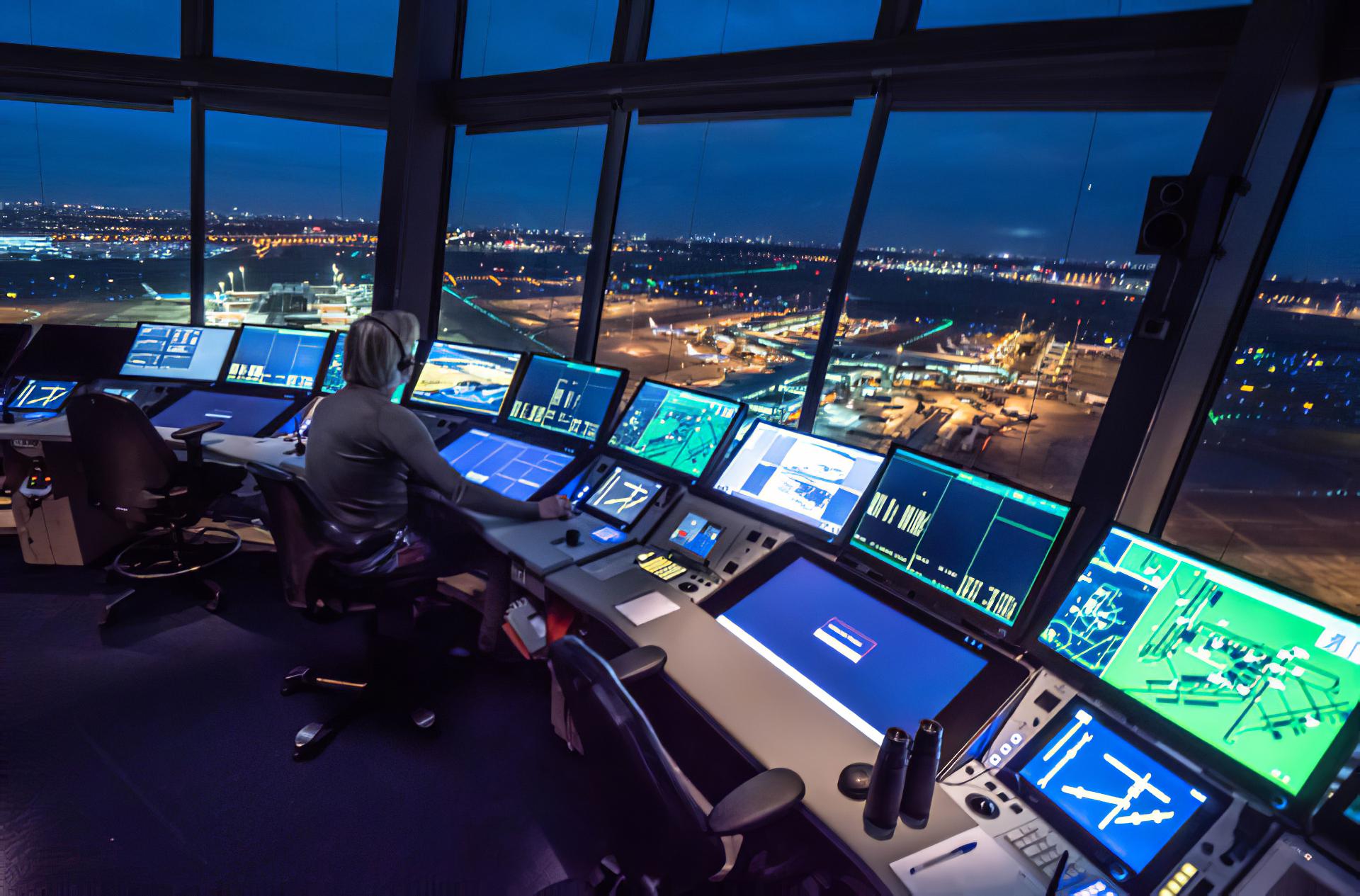
Air traffic controllers monitoring the channel reportedly picked up the unusual transmissions, which continued for several minutes. The chatter was later captured in air traffic control (ATC) recordings, raising serious concerns about professionalism and adherence to aviation safety protocols.
The incident is particularly sensitive given the location. The same airspace around Reagan National Airport was the site of a fatal mid-air collision in 2025 involving a commercial aircraft and a U.S. Army Black Hawk helicopter, which resulted in 67 fatalities. That tragedy had already intensified scrutiny on communication standards and airspace management in the region.
According to aviation regulations enforced by the Federal Aviation Administration, pilots are prohibited from engaging in non-essential conversations, especially during critical phases of flight such as below 10,000 feet altitude. The misuse of emergency frequencies is considered a serious violation, as it can interfere with vital communications during emergencies.
Dennis Tajer, spokesperson for the Allied Pilots Association, emphasized the gravity of the situation, stating that such channels are “not for entertainment” but serve a critical operational purpose.
Despite warnings from an air traffic controller during the exchange, the transmissions reportedly continued, suggesting a deliberate disregard for protocol. At one point, a controller responded sharply, highlighting the unprofessional nature of the behavior.
The FAA has acknowledged the incident and stated that it will investigate the matter once the authenticity of the recordings sourced from third-party channels is verified. Regulatory authorities typically take such violations seriously, with potential consequences ranging from warnings to stricter disciplinary action.
From an aviation safety perspective, the incident underscores the importance of maintaining discipline in communication, particularly in congested airspace environments. Emergency frequencies are designed to ensure that distress calls and critical coordination messages are clearly transmitted without interference.
The broader context adds to the concern. The U.S. aviation system is currently facing a shortage of air traffic controllers, with many personnel operating under high workload conditions. In such an environment, any unnecessary or disruptive communication can increase risk and reduce operational efficiency.
For the aviation industry, the incident serves as a reminder that even seemingly minor lapses in professionalism can have serious implications. Clear, concise, and disciplined communication remains one of the foundational pillars of aviation safety.
As the investigation unfolds, the focus will likely remain on reinforcing compliance with communication protocols and ensuring that critical safety channels are used strictly for their intended purpose.
Follow Travel Trade News social media channels for the latest updates on travel, tourism, aviation, hospitality, and industry news.
To publish your news, press releases, or industry updates, reach out to us at connect@ttnconnect.world