
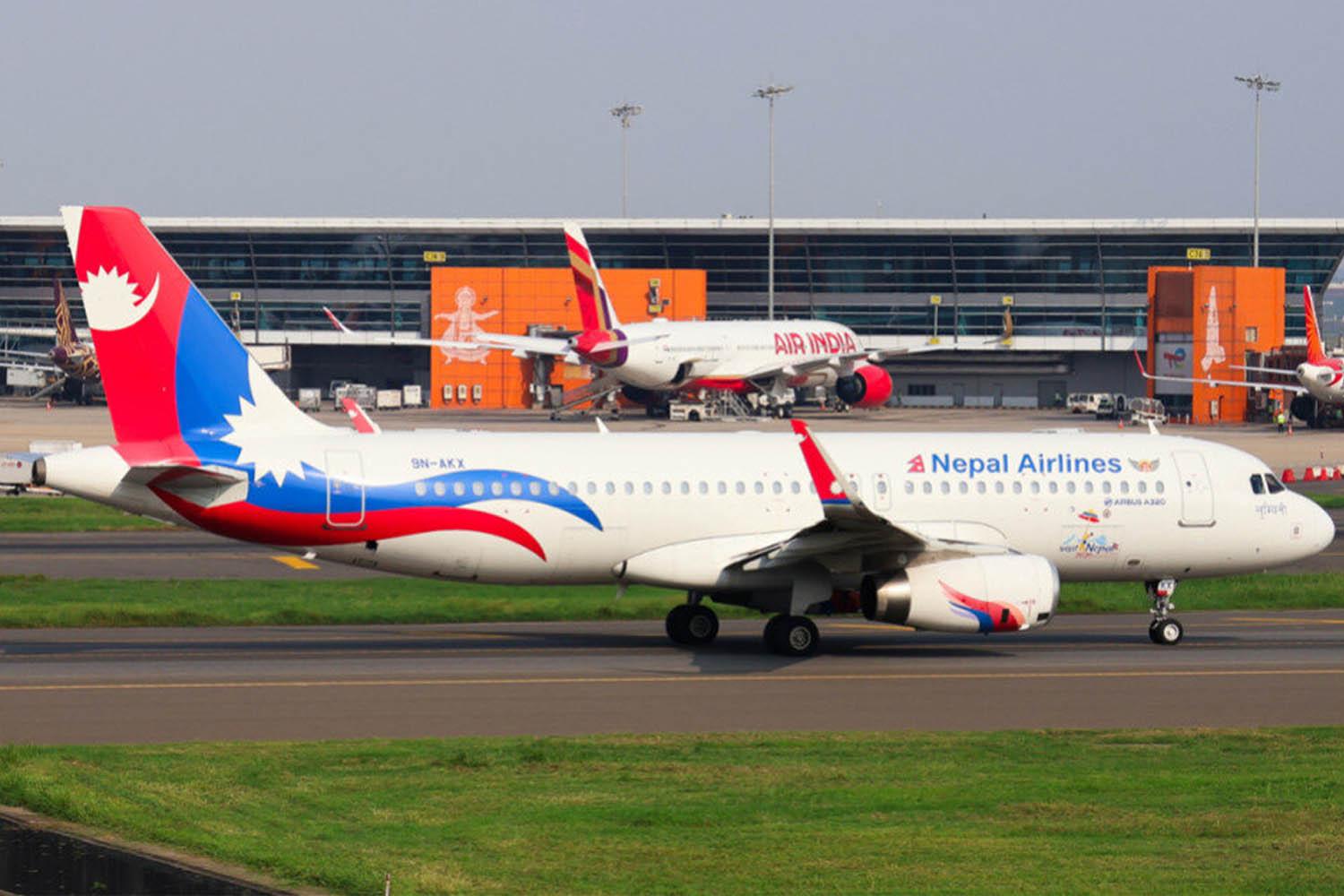
Bengaluru, 30 April: Nepal Airlines map controversy has triggered widespread backlash after Nepal Airlines shared a social media post featuring an incorrect network map that depicted the entire region of Jammu & Kashmir and Ladakh as part of Pakistan.
The post quickly went viral, drawing sharp criticism from Indian users across platforms and highlighting the sensitivity of territorial representations in international communication.
Nepal Airlines Map Controversy Triggers Public Outrage
The Nepal Airlines map controversy intensified as social media users expressed strong reactions to the inaccurate depiction. Many called for diplomatic intervention, urging the Ministry of External Affairs to take up the issue.
Hashtags such as #BoycottNepalAirlines began trending, reflecting growing public dissatisfaction. The controversy gained further momentum when public figures, including Khesari Lal Yadav, criticized the airline, amplifying the discussion across digital platforms.
Nepal Airlines Responds Swiftly with Apology
Responding to the backlash, Nepal Airlines removed the post within 24 hours and issued an official apology, calling the issue a “cartographic inaccuracy.”
The airline clarified that the map did not reflect its official stance or that of the Nepalese government and confirmed that an internal review had been initiated to prevent similar incidents in the future.
Such swift action helped contain the situation, although discussions and criticism continued online.
Geopolitical Sensitivity in Aviation Communications
The Nepal Airlines map controversy highlights the complex geopolitical sensitivities associated with territorial depictions in South Asia. Even minor inaccuracies can lead to strong public reactions and diplomatic concerns.
For international airlines, ensuring accuracy in maps and visual content is critical, as such representations are closely scrutinized by both governments and the public.
Impact on Brand Reputation and Market Expansion
The incident comes at a crucial time when Nepal Airlines is working to expand its footprint in India, including plans to increase flight frequency on key routes such as Kathmandu–Delhi.
Industry observers note that controversies of this nature can temporarily impact brand perception and customer trust. In highly competitive markets, maintaining a positive reputation is essential for attracting and retaining passengers.
Social Media Amplification and Crisis Management
The Nepal Airlines map controversy also demonstrates how quickly issues can escalate in the digital age. Social media platforms enable rapid information sharing, often turning minor errors into major public relations challenges within hours.
Effective crisis management—such as timely acknowledgment, transparency, and corrective action—plays a crucial role in limiting reputational damage.
Lessons for the Global Aviation Industry
The incident serves as an important reminder for airlines and travel brands worldwide. Organizations must implement strict verification processes for all public-facing content, especially when it involves sensitive geopolitical information.
Training teams on cultural and regional sensitivities, along with establishing clear approval workflows, can help prevent similar issues in the future.
Future Outlook
As global travel continues to expand, airlines will need to balance growth strategies with careful communication practices. The Nepal Airlines map controversy underscores the importance of accuracy, awareness, and accountability in maintaining international credibility.
Conclusion
The Nepal Airlines map controversy highlights the risks associated with digital communication in a globally connected world. While the airline has taken corrective steps, the episode reinforces the need for precision and sensitivity in all forms of public communication.
As airlines continue to expand across international markets, maintaining trust through accurate and responsible messaging will remain essential for long-term success.