
Bengaluru, 16 April: India is rapidly cementing its position as one of the most influential forces in global tourism, emerging as the fastest growing travel market in 2026. Driven by a combination of economic growth, demographic advantages, and infrastructure development, the country is reshaping global travel dynamics.
The rise of India’s middle class has played a pivotal role in this transformation. With increasing disposable incomes and greater exposure to global travel experiences, Indian travelers are venturing abroad in record numbers. Outbound travel from India has witnessed significant growth, with destinations across Europe, Southeast Asia, and the Middle East reporting strong increases in Indian arrivals.
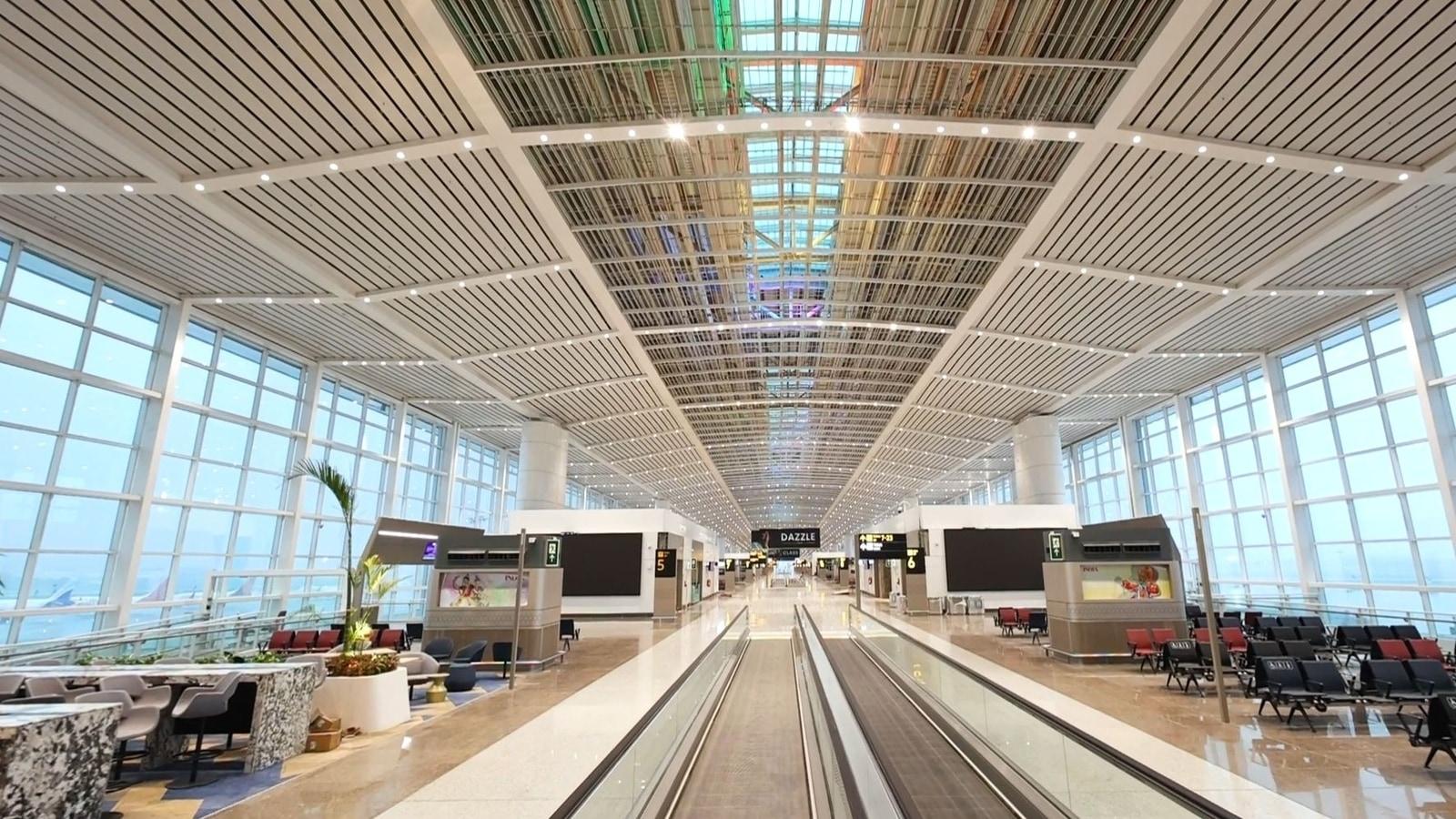
Domestically, India’s aviation sector is experiencing unprecedented expansion. Major airports in Delhi, Mumbai, and Bengaluru are undergoing large-scale upgrades to accommodate growing passenger volumes. New regional connectivity initiatives are also enhancing access to tier-2 and tier-3 cities, unlocking new tourism potential within the country.
From a B2B perspective, India represents a high-value source market with immense long-term potential. Travel companies worldwide are tailoring offerings specifically for Indian travelers, including customized itineraries, culturally relevant services, and targeted marketing campaigns.
The hospitality sector is also benefiting from this growth. International hotel chains are expanding their presence in India, while domestic brands are scaling operations to meet rising demand. Luxury travel, in particular, is witnessing strong traction, with affluent Indian travelers seeking premium experiences and exclusive destinations.
Technology is playing a crucial role in supporting this growth. Digital platforms, mobile booking apps, and AI-driven travel solutions are making it easier for Indian consumers to plan and book travel. This digital-first approach is accelerating market expansion and improving customer engagement.
Government initiatives aimed at boosting tourism and infrastructure are further strengthening India’s position. Investments in smart cities, improved connectivity, and tourism promotion campaigns are contributing to sustained growth across the sector.
However, challenges remain. Capacity constraints, pricing pressures, and regulatory complexities require careful management to ensure long-term sustainability. Industry stakeholders must focus on innovation, collaboration, and service quality to fully capitalize on India’s growth potential.
As global tourism continues to evolve, India’s influence is expected to grow even further. The country is not only a major outbound market but also a key destination in its own right, offering diverse experiences ranging from cultural heritage to adventure tourism.
For the global travel trade, India is no longer an emerging market—it is a central pillar of future growth.
Follow Travel Trade News social media channels for the latest updates on travel, tourism, aviation, hospitality, and industry news.
To publish your news, press releases, or industry updates, reach out to us at connect@ttnconnect.world