
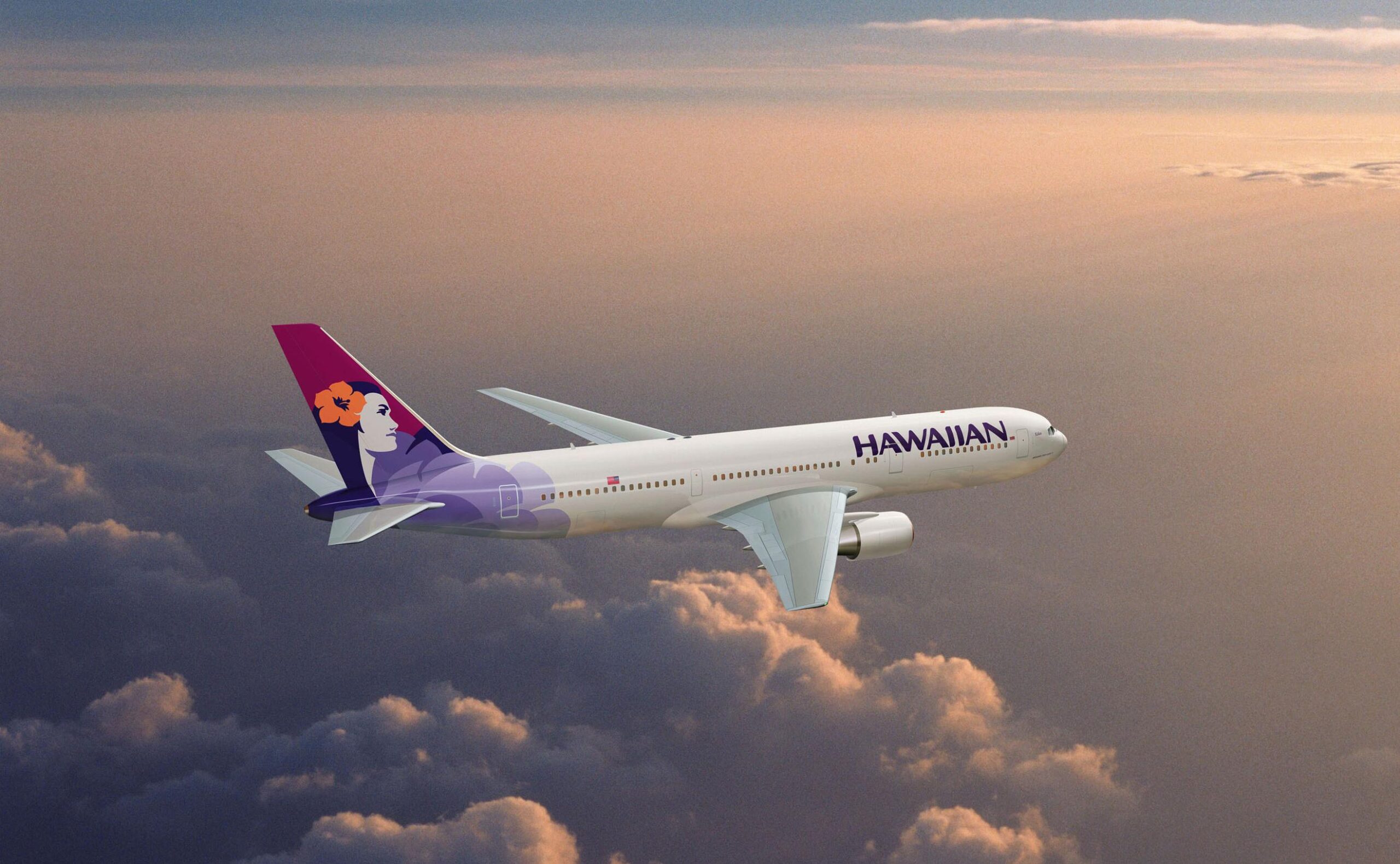
Bengaluru, 23 April 2026: Hawaiian Airlines has officially confirmed that the Hawaiian Airlines HA code retired on April 22, 2026, bringing an end to one of the longest-running airline identifiers in global aviation history. From today, all flights previously operating under the “HA” designator are now listed under the “AS” code of Alaska Airlines.
The development marks a major milestone in the integration between Hawaiian Airlines and Alaska Air Group, following the completion of their merger in September 2024. With this move, the combined airline group is entering its final phase of operational alignment.
Why the Hawaiian Airlines HA Code Retired Is Historically Significant
The Hawaiian Airlines HA code retired event represents far more than a system update—it closes a 97-year chapter in aviation history. First introduced in 1929, the HA code existed long before Hawaii became a U.S. state, making it one of the oldest continuously used airline identifiers in the country.
Throughout decades of transformation in aviation, the HA code remained constant. It appeared on wartime travel manifests during World War II, early commercial airline tickets, and modern e-boarding passes. For many, it became a symbol of reliability, heritage, and Hawaii’s global connectivity.
The retirement of such a legacy identifier highlights the scale of transformation currently underway in the airline industry.
What Changes After Hawaiian Airlines HA Code Retired
Following the Hawaiian Airlines HA code retired transition, several key changes are now visible across passenger touchpoints:
- All Hawaiian-operated flights now carry the “AS” prefix
- Booking platforms reflect Alaska Airlines flight numbers
- Boarding passes and confirmations display AS instead of HA
- Example: Honolulu–Pago Pago service changes from HA865 to AS865
- Interisland flights across Honolulu, Maui, Kauai, and the Big Island now use AS codes
While these updates affect systems and documentation, passengers onboard will continue to experience the Hawaiian Airlines service style they are familiar with.
Hawaiian Brand Identity Continues Despite HA Code Retirement
Despite the Hawaiian Airlines HA code retired, Alaska Air Group has reaffirmed its commitment to maintaining the Hawaiian Airlines identity through a dual-brand strategy.
This means passengers will still experience:
- The iconic Pualani tail design on aircraft
- Traditional Hawaiian hospitality onboard
- Cabin crew announcements under the Hawaiian Airlines name
By preserving these elements, Alaska Air Group ensures that the cultural essence of Hawaiian Airlines remains intact, even as backend operations are unified.
Integration Progress and oneworld Alliance Entry
The retirement of the HA code indicates that integration between the two carriers is now approximately 75% complete. Several major milestones have already been achieved:
- A unified operating certificate
- A shared reservation and booking system
- Combined loyalty platform under Atmos Rewards
- Hawaiian Airlines joining the oneworld alliance
The final stage of integration will involve harmonizing labor agreements, as employee groups from both airlines continue to operate under separate contracts.
A Symbolic Goodbye to a Historic Aviation Code
For frequent flyers, aviation historians, and Hawaii residents, the Hawaiian Airlines HA code retired moment carries deep symbolic meaning. The HA code was more than just an airline prefix—it represented nearly a century of journeys, memories, and connections across the Pacific.
From generations of island families traveling between islands to international visitors discovering Hawaii for the first time, the HA code was present in countless stories.
While the industry moves forward under a unified Alaska Airlines system, the spirit of Hawaiian Airlines continues to thrive through its people, service, and identity.
Aloha, HA a legendary code that defined an era and will always remain part of aviation history.
✈️ Industry Impact and What Comes Next
The Hawaiian Airlines HA code retired development also reflects a broader trend in global aviation, where consolidation and alliances are reshaping airline operations. By unifying systems and flight codes, airlines can improve efficiency, expand networks, and offer seamless travel experiences.
For Alaska Air Group, this move strengthens its presence across the Pacific and enhances connectivity between North America, Hawaii, Asia, and beyond. For passengers, it means more integrated services, improved loyalty benefits, and streamlined booking experiences.
As the final phase of integration progresses, the aviation industry will closely watch how this merger sets a benchmark for future airline consolidations.