
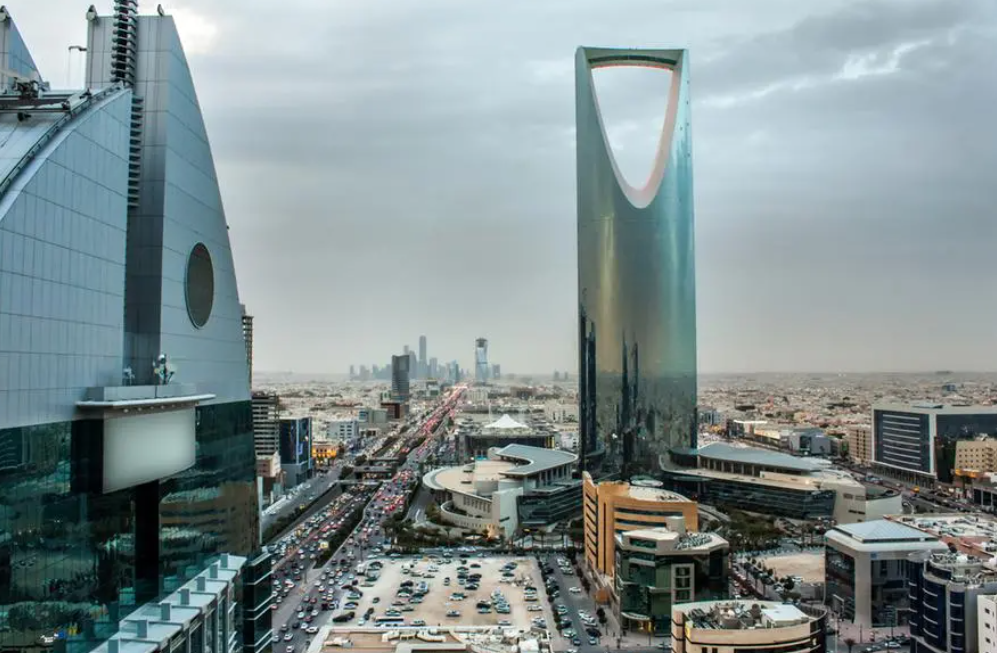
Dubai: The tourism industry across the Gulf Cooperation Council (GCC) is confronting a significant downturn, with projected losses reaching up to $32 billion amid escalating regional tensions and disruptions in global travel patterns.
Countries including Saudi Arabia, United Arab Emirates, Qatar, Oman, Kuwait, and Bahrain are witnessing sharp declines in international arrivals, impacting luxury tourism, business travel, and large-scale events.
Saudi Arabia: Vision 2030 Faces Pressure
Saudi Arabia is expected to incur losses of up to $10 billion, posing challenges to its ambitious Vision 2030 strategy.
Mega tourism projects such as NEOM and The Red Sea Project remain central to long-term goals, while destinations like Al-Ula are being promoted to boost domestic tourism.
UAE: Luxury Tourism Slows Down
The United Arab Emirates, particularly Dubai, faces an estimated $8 billion decline in tourism revenue.
Known for global events such as Expo 2020 Dubai, the UAE is now pivoting toward staycations and domestic travel campaigns, while reinforcing its image as a safe luxury destination.
Qatar: Post-World Cup Momentum Tested
Qatar is projected to lose around $5 billion, slowing momentum gained after the FIFA World Cup 2022.
Efforts are underway to position Doha as a cultural and sports tourism hub, highlighting attractions like Museum of Islamic Art.
Oman: Eco & Luxury Tourism Impacted
Oman faces losses of nearly $2 billion, affecting its niche segments such as eco-tourism and luxury retreats.
Key attractions like Nizwa Fort and the Frankincense Trail are being promoted to revive tourism demand.
Kuwait & Bahrain: Smaller Markets, Big Challenges
Kuwait and Bahrain are expected to lose $1 billion and $2 billion respectively, with declines in both business and leisure travel.
Bahrain continues to leverage global events like the Bahrain Grand Prix, while promoting cultural sites such as Qal’at al-Bahrain.
Recovery Strategies Across GCC
To counter the downturn, GCC nations are implementing key strategies:
- Domestic Tourism Push: Incentives, staycation offers, and local campaigns
- Cultural & Sustainable Tourism: Promoting heritage, eco-tourism, and lesser-known destinations
- Global Partnerships: Strengthening collaborations, easing visa policies, and launching joint campaigns
Conclusion
Despite facing one of the most challenging phases in recent years, the GCC tourism sector remains resilient. With diversification, innovation, and strategic investments, the region aims to recover and reposition itself as a leading global tourism hub.
Follow Travel Trade News social media channels for the latest updates on travel, tourism, aviation, hospitality, and industry news.
To publish your news, press releases, or industry updates, reach out to us at connect@ttnconnect.world