
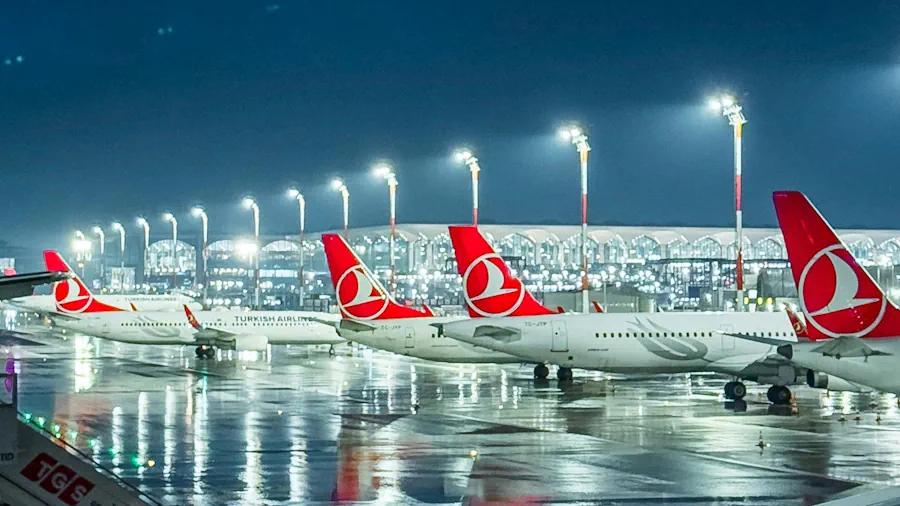
Istanbul, 25 April 2026: Turkish Airlines has announced a significant network adjustment for the northern summer 2026 schedule, suspending services to multiple international destinations as part of a broader strategic review. The move reflects the airline’s efforts to optimize capacity, streamline operations, and focus on core routes amid evolving market dynamics.
The changes primarily impact flights operating from Istanbul Airport, the airline’s main global hub.
Turkish Airlines Announces Major Route Suspensions
The latest update from Turkish Airlines confirms that services to 18 international destinations will be suspended between May and June 2026.
Affected regions include:
- Africa
- Middle East
- Central Asia
- Europe
The decision is part of a strategic network recalibration aimed at improving efficiency and profitability.
Key Destinations Affected
The network changes will see Turkish Airlines discontinue flights to a mix of leisure and business destinations.
Notable routes being suspended include:
- Aqaba
- Billund
- Bissau
- Freetown
- Havana
In addition, several African routes such as Kinshasa, Luanda, Libreville, and Lusaka will also be withdrawn from the airline’s schedule.
Middle East and Europe Routes Impacted
The restructuring also affects destinations in the Middle East and Europe.
Flights will cease to:
- Hurghada
- Najaf
- Kirkuk
- Turkistan
- Leipzig
Some of these routes had been scheduled for seasonal resumption, but those plans have now been canceled entirely.
Multi-Sector Routes Simplified
A key aspect of the network adjustment involves the simplification of multi-sector routes operated by Turkish Airlines.
Previously, certain flights connected Istanbul to multiple destinations via intermediate stops, particularly in West and Central Africa. Under the new plan:
- Multi-stop routes will be reduced or eliminated
- Direct services to primary destinations will be prioritized
- Secondary segments will be removed
For example, routes serving key cities like Accra and Dakar will continue, but onward connections to smaller destinations will be discontinued.
Strategic Shift in Network Planning
The decision by Turkish Airlines reflects a broader trend in the aviation industry, where airlines are focusing on route profitability and operational efficiency.
Key drivers behind the move include:
- Demand fluctuations across regions
- Rising operational costs
- Optimization of fleet utilization
By concentrating on high-performing routes, the airline aims to strengthen its global network.
Impact on Passengers and Travel Trade
The suspension of routes by Turkish Airlines will have implications for both passengers and the travel trade.
Potential impacts include:
- Reduced connectivity to certain destinations
- Changes in travel itineraries
- Increased reliance on alternative routes or carriers
Travel agents and tour operators may need to adjust plans and offer alternative options to clients.
Industry Perspective
From an aviation industry standpoint, the move highlights the importance of flexibility in network planning.
Airlines worldwide are increasingly:
- Reviewing route performance
- Adjusting capacity based on demand
- Streamlining operations to remain competitive
The strategy adopted by Turkish Airlines aligns with these global trends.
Future Outlook for Turkish Airlines
Despite the route suspensions, Turkish Airlines continues to maintain one of the largest global networks, connecting multiple continents through its Istanbul hub.
Looking ahead, the airline is expected to:
- Focus on core high-demand routes
- Enhance connectivity to key global destinations
- Continue expanding in strategic markets
The adjustments are likely to support long-term growth and operational stability.
Conclusion
The decision by Turkish Airlines to suspend 18 international routes marks a significant shift in its network strategy for 2026. While the changes may impact connectivity in certain regions, they reflect a calculated move toward efficiency and profitability.
As the aviation industry continues to evolve, such strategic adjustments are expected to play a crucial role in shaping airline operations and global travel networks.
Operational Efficiency and Fleet Optimization
As part of this restructuring, Turkish Airlines is also expected to optimize fleet deployment across its network. By reallocating aircraft to high-demand routes and reducing underperforming sectors, the airline aims to improve load factors and operational efficiency. This approach will help strengthen profitability while maintaining its competitive position in global aviation markets.