
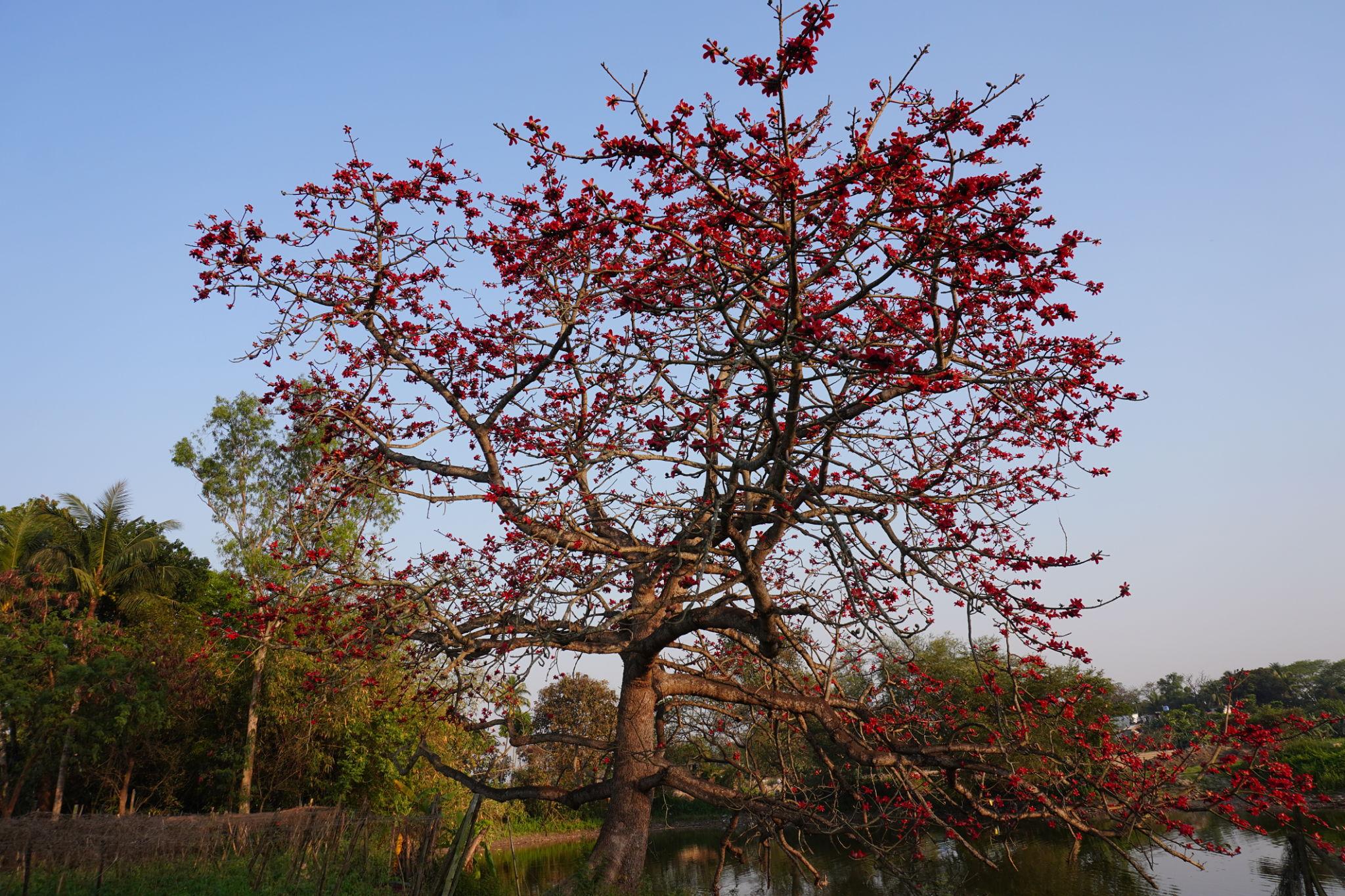
Silchar, 26 April 2026: Tinsukia tourism is emerging with a fresh perspective as the district’s abundant Simolu trees (Bombax ceiba) gain recognition for their potential to transform the region into a unique eco-tourism destination. Known primarily for its tea gardens and oil fields, Tinsukia is now attracting attention for its natural landscapes and biodiversity-rich ecosystems.
The seasonal bloom of Simolu trees, with their striking red flowers, is creating visually captivating landscapes that could redefine the district’s tourism identity.
Tinsukia Tourism Explores Simolu Bloom Potential
The rise of Tinsukia tourism is closely linked to the growing interest in nature-based and sustainable travel experiences. Simolu trees, scientifically known as Bombax ceiba, are widely found across riverbanks and forest edges in the region.
During spring, these trees bloom in vibrant red, transforming large areas into scenic landscapes. Despite this natural attraction, Simolu groves have largely remained outside mainstream tourism circuits.
Experts believe that structured tourism initiatives could unlock their full potential.
Biodiversity and Ecological Significance
The expansion of Tinsukia tourism through Simolu groves also highlights the ecological importance of these trees.
The flowering season attracts:
- Birds and migratory species
- Bees and pollinators
- Various insects essential for ecosystem balance
These groves contribute significantly to biodiversity, making them ideal for eco-tourism initiatives focused on conservation and education.
Supporting Local Livelihoods
Beyond tourism, Simolu trees play a crucial role in supporting rural livelihoods in Tinsukia.
Key uses include:
- Fibre from pods used for pillows and cushions
- Traditional household applications
- Potential for small-scale local industries
By integrating these resources into Tinsukia tourism, communities can benefit economically while preserving traditional practices.
Eco-Tourism Opportunities in Tinsukia
Stakeholders believe that Tinsukia tourism can be significantly enhanced by developing structured eco-tourism models centered around Simolu bloom trails.
A regional forest official noted that such initiatives could:
- Diversify the district’s tourism offerings
- Promote sustainable travel experiences
- Increase visitor engagement
Potential tourism activities include:
- Guided nature walks
- Birdwatching tours
- Seasonal bloom festivals
These experiences align with the global trend toward experiential travel.
Community-Based Tourism Development
Local entrepreneurs see strong potential in linking Simolu groves with community-based tourism initiatives.
Opportunities include:
- Homestay experiences
- Cultural immersion programs
- Local handicraft promotion
One entrepreneur highlighted that integrating these elements into Tinsukia tourism could generate sustainable income while preserving the environment.
Growing Demand for Sustainable Travel
The development of Simolu-based eco-tourism aligns with the increasing demand for sustainable travel experiences.
Travelers today are seeking:
- Authentic cultural interactions
- Nature-focused destinations
- Environmentally responsible tourism
By leveraging its natural assets, Tinsukia tourism can position itself as a unique destination in India’s eco-tourism landscape.
Challenges and Planning Requirements
While the potential is significant, the success of Tinsukia tourism will depend on careful planning and management.
Key considerations include:
- Conservation of natural habitats
- Infrastructure development
- Community participation
- Sustainable tourism practices
Balancing tourism growth with environmental protection will be critical.
Government and Stakeholder Role
The development of Tinsukia tourism will require collaboration between government authorities, local communities, and private stakeholders.
Key actions may include:
- Creating eco-tourism policies
- Promoting the destination through campaigns
- Providing training and support for local communities
Such coordinated efforts can ensure long-term success.
Future Outlook
Looking ahead, Tinsukia tourism has the potential to emerge as a distinctive eco-tourism destination in Northeast India.
With proper planning, the Simolu bloom could become:
- A seasonal tourism highlight
- A driver of local economic growth
- A model for sustainable tourism development
Conclusion
The growing focus on Simolu trees marks a new chapter for Tinsukia tourism, offering an opportunity to diversify beyond traditional attractions. By combining natural beauty, biodiversity, and community participation, the region can create a sustainable tourism model that benefits both visitors and local residents.
As interest in eco-tourism continues to rise, Tinsukia is well-positioned to become a unique and meaningful travel destination.