
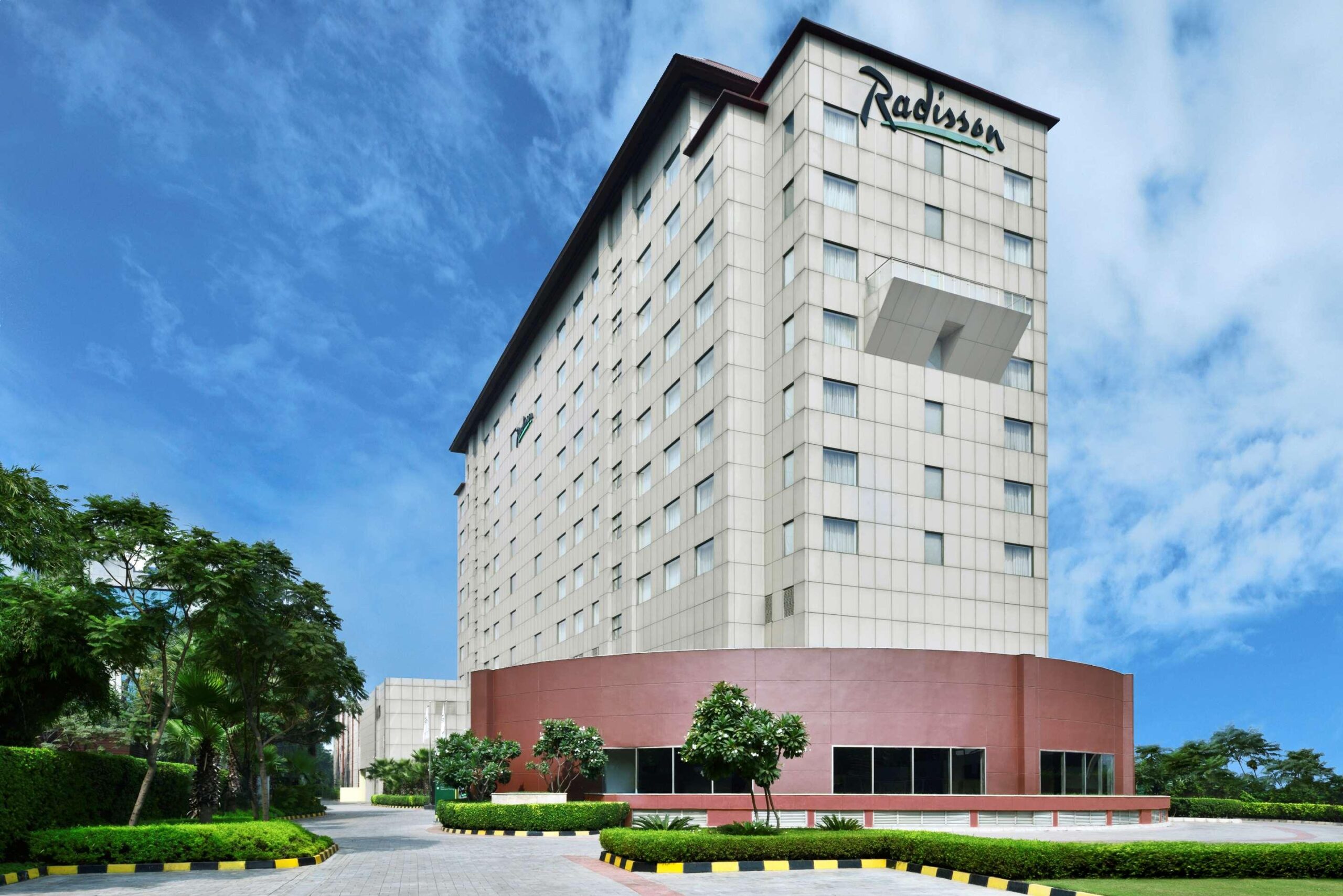
Mumbai, 20 April: Radisson Hotel Group is accelerating its expansion in India, targeting 500 properties by 2030 and projecting the creation of 65,000 to 80,000 job opportunities as part of its long-term growth strategy. This ambitious goal is aligned with India’s booming tourism industry and growing economy, which present significant opportunities for hotel chains like Radisson.
Speaking on the development, Elie Younes, Executive Vice President and Global Chief Development Officer, highlighted India as one of the group’s top three global markets. He emphasized that having a strong presence in such a vibrant market can significantly contribute to the overall global portfolio of the Radisson Hotel Group.
“India is one of our most important markets globally. Our expansion to 500 hotels could create significant employment opportunities, making it a strong skill-building initiative,” he said. This strategic plan not only focuses on increasing the number of properties but also aims to enhance the quality of services offered to guests, ensuring a memorable experience.
Expansion Strategy Across India
Importance of the Indian Market
Radisson currently operates over 200 properties in India and plans to expand aggressively across Tier I, II, III, and IV cities, along with resorts and spiritual destinations. This strategic expansion will help Radisson tap into varying customer segments, from luxury travelers to budget-conscious tourists seeking quality accommodations.
The expansion will be driven primarily by the upscale segment, which offers better returns in emerging markets. Upscale hotels are becoming increasingly popular due to the rising number of affluent travelers and business professionals seeking premium experiences.
India’s hospitality market has been witnessing considerable growth due to rising disposable incomes, increased domestic travel, and a growing middle class. This makes it an attractive destination for international hotel brands. Moreover, the increasing trend of wellness tourism and the interest in cultural experiences among travelers contributes to the demand for more hospitality options.
Radisson currently operates over 200 properties in India and plans to expand aggressively across Tier I, II, III, and IV cities, along with resorts and spiritual destinations.
The expansion will be driven primarily by the upscale segment, which offers better returns in emerging markets.
- 15% of hotels will be five-star
- 45–50% will be upscale (3-star and 4-star)
- Remaining properties will cater to diverse market needs
Region-wise distribution of upcoming projects includes:
Region-wise distribution of upcoming projects includes:
- 55% in Tier I cities
- 25% in Tier II & III cities
- 10% in resorts
- 10% in spiritual destinations
Job Creation and Skill Development
Radisson is investing in workforce training through:
The expansion is expected to generate tens of thousands of jobs, with a strong focus on local hiring and skill development. This initiative will not only benefit the hotel industry but also contribute to local economies and communities.
The company aims to build long-term careers rather than short-term employment, strengthening India’s hospitality workforce and ensuring that employees are prepared for various roles within the industry, thus enhancing customer service and operational efficiency.
The expansion is expected to generate tens of thousands of jobs, with a strong focus on local hiring and skill development.
Market Outlook and Global Factors
Younes stated that the company expects “business as usual” in India, provided there is no escalation of global conflicts before the peak summer travel season. This confidence is bolstered by the resilient nature of the Indian tourism industry, which has demonstrated its ability to recover from past challenges.
Despite ongoing geopolitical tensions in West Asia, Radisson remains cautiously optimistic about India’s growth outlook. The tourism sector is expected to rebound as global travel resumes, and with the right strategies in place, Radisson can capitalize on this resurgence.
However, markets directly impacted by the conflict, including parts of the Gulf such as Dubai and Saudi Arabia, are currently experiencing lower hotel occupancy levels. This shift presents an opportunity for Indian destinations to attract travelers looking for alternative locations, which Radisson aims to leverage through targeted marketing and promotions.
Radisson is investing in workforce training through:
Development Approach: Brownfield vs Greenfield
Radisson is adopting a balanced development strategy, with a preference for brownfield projects that enable faster market entry. This strategy allows the company to quickly respond to market demands and capitalize on existing infrastructure.
- Radisson Academy (online learning platform)
- Partnerships with Tourism and Hospitality Skill Council
- Collaboration with universities and government bodies
The company noted that while brownfield projects can be more complex, they offer quicker operational timelines. This allows Radisson to enhance its market presence rapidly and fulfill the growing demand for quality hotel accommodations across India.
The company aims to build long-term careers rather than short-term employment, strengthening India’s hospitality workforce.
📈 Industry Perspective
Radisson’s aggressive expansion reflects the strong growth potential of India’s hospitality sector, driven by:
For the travel trade, the expansion opens opportunities across hotel development, employment, and regional tourism growth. The ripple effects of these opportunities can lead to increased economic activity in surrounding areas, ultimately benefiting the overall economy.
Market Outlook and Global Factors
Outlook
With a strong pipeline and continued investment in infrastructure and talent, Radisson expects 2026 to be one of its strongest years in India, reinforcing the country’s position as a key global hospitality market. This outlook is supported by favorable government policies promoting tourism and investments in infrastructure, further enhancing the attractiveness of India as a travel destination.
Follow Travel Trade News social media channels for the latest updates on travel, tourism, aviation, hospitality, and industry news. Engaging with our community through various platforms helps keep everyone informed and connected to the evolving landscape of travel.
Despite ongoing geopolitical tensions in West Asia, Radisson remains cautiously optimistic about India’s growth outlook.
Younes stated that the company expects “business as usual” in India, provided there is no escalation of global conflicts before the peak summer travel season.
However, markets directly impacted by the conflict, including parts of the Gulf such as Dubai and Saudi Arabia, are currently experiencing lower hotel occupancy levels.
Development Approach: Brownfield vs Greenfield
Radisson is adopting a balanced development strategy, with a preference for brownfield projects that enable faster market entry.
- Brownfield projects: Faster rollout, existing infrastructure
- Greenfield projects: Greater design flexibility and long-term scalability
The company noted that while brownfield projects can be more complex, they offer quicker operational timelines.
To publish your news, press releases, or industry updates, reach out to us at connect@ttnconnect.world. Sharing insights and developments within the sector is invaluable as we navigate the future of hospitality and tourism together.
Industry Perspective
Radisson’s aggressive expansion reflects the strong growth potential of India’s hospitality sector, driven by:
- Rising domestic travel demand
- Growth in tier II & III cities
- Increasing interest in spiritual and leisure tourism
For the travel trade, the expansion opens opportunities across hotel development, employment, and regional tourism growth.
Outlook
With a strong pipeline and continued investment in infrastructure and talent, Radisson expects 2026 to be one of its strongest years in India, reinforcing the country’s position as a key global hospitality market.
Follow Travel Trade News social media channels for the latest updates on travel, tourism, aviation, hospitality, and industry news.
To publish your news, press releases, or industry updates, reach out to us at connect@ttnconnect.world