
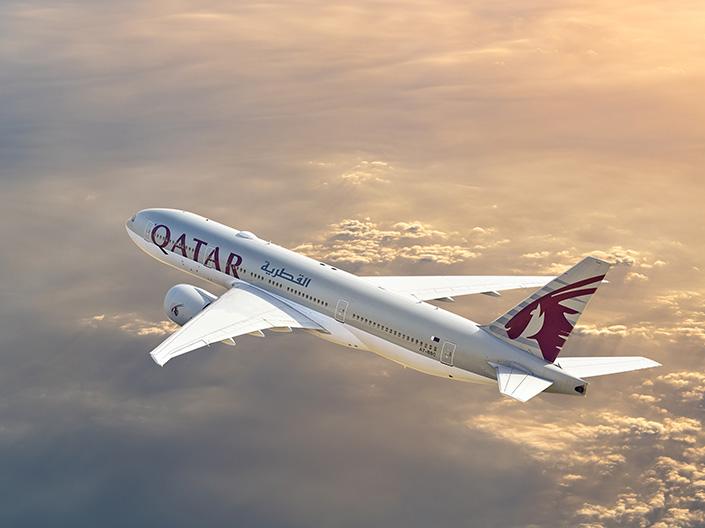
Doha, 26 April 2026: Qatar Airways is preparing to resume passenger flights between Doha and Auckland within the next eight weeks, marking a significant return to one of the world’s longest commercial routes. The move comes after the airline suspended services amid geopolitical tensions in the Middle East, forcing a reassessment of ultra-long-haul operations.
The restoration of this key route signals a renewed focus on the Asia-Pacific market, while also highlighting how global aviation is adapting to evolving operational and geopolitical challenges.
Qatar Airways Returns to New Zealand Market
The decision by Qatar Airways to reinstate flights to Auckland reflects its long-term commitment to maintaining global connectivity. The Doha–Auckland route is one of the most demanding in aviation, previously operated as a non-stop service.
However, the airline is now introducing a stopover, marking a strategic shift in how such long-haul routes are managed.
Shift from Non-Stop to Stopover Operations
A major change in the resumed service is the addition of an intermediate stop, replacing the earlier direct flight model.
This adjustment allows Qatar Airways to:
- Improve operational flexibility
- Reduce crew fatigue
- Manage aircraft utilization more efficiently
While the stopover may extend travel time, it enhances reliability and sustainability of operations under current conditions.
Impact of Middle East Geopolitical Tensions
The suspension of the route was largely influenced by instability in the Middle East, which has disrupted airspace and increased operational risks.
These developments have prompted Qatar Airways and other global carriers to:
- Reevaluate route planning
- Adjust flight paths and schedules
- Introduce contingency strategies
The resumption of services indicates improving conditions but also reflects a cautious approach.
Economic and Operational Considerations
The introduction of a stopover is not solely driven by geopolitical factors. Several operational and economic considerations are shaping this decision.
Key factors include:
- Fluctuating jet fuel prices
- Aircraft availability constraints
- Pilot duty time regulations
By adapting its network, Qatar Airways is aligning with industry-wide trends in managing ultra-long-haul routes.
One of Aviation’s Longest Routes
The Doha–Auckland route spans approximately 9,000 nautical miles, making it one of the longest commercial flights globally.
Previously, non-stop operations required:
- Extended crew duty periods
- High fuel consumption
- Precise operational planning
The revised model with a stopover reduces strain on both crew and aircraft while maintaining connectivity.
Broader Aviation Industry Trends
The move by Qatar Airways reflects a broader shift in the aviation industry, where airlines are increasingly prioritizing flexibility over direct routing.
Industry trends include:
- Increased use of stopovers on long-haul routes
- Greater focus on risk management
- Adaptation to geopolitical uncertainties
These changes are reshaping global air travel networks.
Impact on Passengers
For travelers, the restructured route will bring both advantages and trade-offs.
Potential impacts include:
- Longer travel times due to stopovers
- Possible changes in ticket pricing
- Improved operational reliability
Passengers may also experience greater consistency in flight schedules, reducing the risk of cancellations.
Competitive Positioning in Asia-Pacific
The return of Qatar Airways to the Auckland route strengthens its presence in the Asia-Pacific region, a key market for international travel.
However, the introduction of a stopover may influence:
- Competitive dynamics with other airlines
- Passenger preferences for direct flights
- Market positioning on long-haul routes
Despite these factors, the airline remains a major player in global aviation.
Future Outlook
The resumption of the Auckland service highlights how airlines are adapting to a new reality in global aviation.
Looking ahead, Qatar Airways is expected to:
- Continue optimizing its network
- Balance efficiency with passenger demand
- Adapt to evolving geopolitical conditions
These strategies will be crucial in maintaining competitiveness.
Conclusion
The decision by Qatar Airways to resume its Auckland route with a stopover marks a significant shift in ultra-long-haul aviation strategy. By balancing operational efficiency with geopolitical realities, the airline is redefining how long-distance travel is managed in today’s complex environment.