
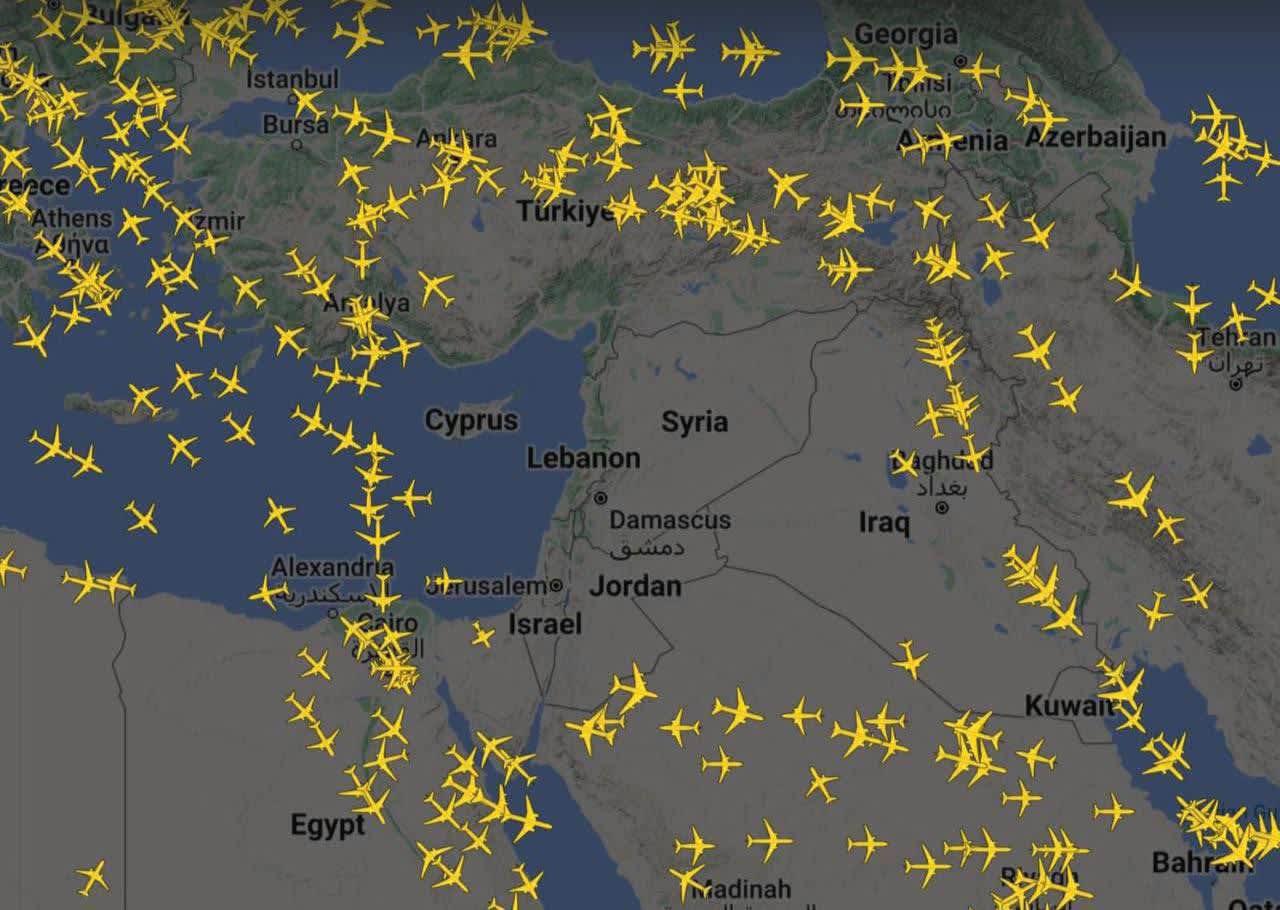
Bengaluru: Escalating geopolitical tensions in the Middle East are significantly impacting global aviation, with multiple airspaces now classified as high-risk zones. Aviation authorities, including India’s DGCA, have issued advisories urging airlines to avoid several key air corridors across the region.
The affected zones include strategic airspaces over countries such as Iran, Iraq, Israel, and parts of the Gulf region—areas that are critical for international flight routes connecting Asia, Europe, and Africa.
As a result, airlines are being forced to reroute flights, leading to longer travel times, increased fuel consumption, and higher operational costs. These disruptions are expected to have a cascading effect on ticket prices globally, as airlines pass on additional expenses to passengers.
For Indian travellers, the impact is particularly significant, as a large volume of outbound and transit traffic relies on Middle Eastern hubs such as Dubai, Doha, and Abu Dhabi. Flight delays, schedule changes, and fare hikes are becoming increasingly common.
Airlines are also implementing contingency plans to manage operational risks, including route diversification and increased fuel reserves. Meanwhile, aviation regulators are closely monitoring the situation to ensure passenger safety remains the top priority.
This development highlights the vulnerability of global aviation networks to geopolitical instability and underscores the importance of adaptive route planning in maintaining operational resilience.
Readers are encouraged to follow Travel Trade News across social media platforms for regular updates, breaking news, and exclusive industry insights.