
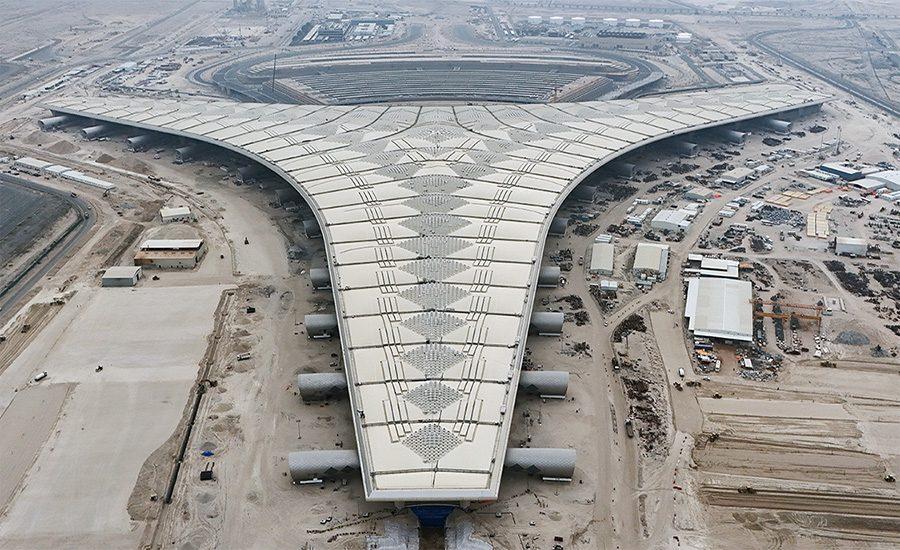
Kuwait City, 23 April 2026: Kuwait International Airport is facing a prolonged operational shutdown following extensive infrastructure damage caused by recent drone strike incidents. Authorities have confirmed that repairs will take several weeks, making a quick reopening unlikely and significantly impacting regional and international aviation connectivity.
Damage Assessment and Infrastructure Impact at Kuwait International Airport
Initial inspections at Kuwait International Airport indicate that multiple critical areas have been affected. Runways, which are essential for aircraft movement, have sustained structural damage and will require resurfacing, alignment checks, and safety certification before operations can resume. Terminal buildings have also been impacted, disrupting passenger processing, baggage systems, and overall airport logistics.
Beyond visible damage, key operational systems including radar, navigation equipment, and fuel infrastructure have been affected. These systems are central to safe aircraft operations, and restoring them involves technical testing, recalibration, and regulatory approvals. Aviation experts note that even minor faults in such systems can pose safety risks, which is why restoration must follow strict global standards.
Operational Status of Kuwait International Airport and Airline Response
At present, Kuwait International Airport operations remain largely suspended as authorities prioritize safety and infrastructure recovery. Engineering teams are working on-site to assess structural integrity and carry out necessary repairs.
Airlines have adjusted by rerouting flights, reducing frequencies, or temporarily suspending services. Several international carriers have issued travel advisories, urging passengers to check flight status before departure. The disruption has also affected cargo movement, creating temporary delays in supply chains connected to the Gulf region.
Kuwait International Airport Reopening Timeline and Phased Recovery
The reopening of Kuwait International Airport is expected to follow a phased approach. While officials have not confirmed an exact date, aviation sources suggest that partial operations could resume by late May, with full restoration potentially extending into June 2026.
Initial phases may include cargo or emergency flights, followed by limited passenger services. Full-scale operations will depend on successful completion of safety inspections and certification processes. Authorities have reiterated that Kuwait International Airport will only reopen once all safety requirements are fully met.
Regional Airspace Challenges Affecting Kuwait International Airport
In addition to infrastructure damage, broader regional security concerns are affecting aviation operations linked to Kuwait International Airport. Airspace restrictions and heightened safety measures across parts of the Middle East are influencing flight routes and airline planning.
These external factors may slow the recovery process, as aviation authorities must coordinate with international agencies to ensure safe and compliant operations. The situation highlights how regional stability plays a crucial role in maintaining global air connectivity.
Economic and Travel Impact of Kuwait International Airport Disruption
The disruption at Kuwait International Airport is expected to have wide-ranging effects on travel, tourism, and trade. As a major gateway in the Gulf, the airport plays a vital role in connecting passengers and facilitating cargo movement.
The temporary shutdown is likely to impact tourism inflows, business travel, and logistics operations. Hotels, travel agencies, and cargo operators may experience short-term challenges as the situation evolves. Industry stakeholders are closely monitoring developments and preparing for gradual recovery once operations resume at Kuwait International Airport.
Extended Recovery Challenges and Aviation Outlook
Industry analysts believe that recovery timelines for Kuwait International Airport may vary depending on the availability of repair resources, technical expertise, and regulatory clearances. Restoring complex aviation infrastructure requires coordination between multiple agencies, including civil aviation authorities, engineering teams, and international safety regulators.
The incident also underscores the need for enhanced airport resilience and contingency planning in the face of evolving security threats. Future investments may focus on strengthening infrastructure, improving emergency response systems, and adopting advanced monitoring technologies.
Conclusion
The ongoing situation at Kuwait International Airport underscores the complexity of restoring critical aviation infrastructure after major incidents. Authorities are taking a cautious and structured approach, focusing on long-term safety rather than rapid reopening.
As repair work progresses, Kuwait International Airport operations are expected to resume in phases, ensuring compliance with international standards. Travelers and airlines are advised to stay informed through official updates as the airport moves toward recovery and normal operations.