
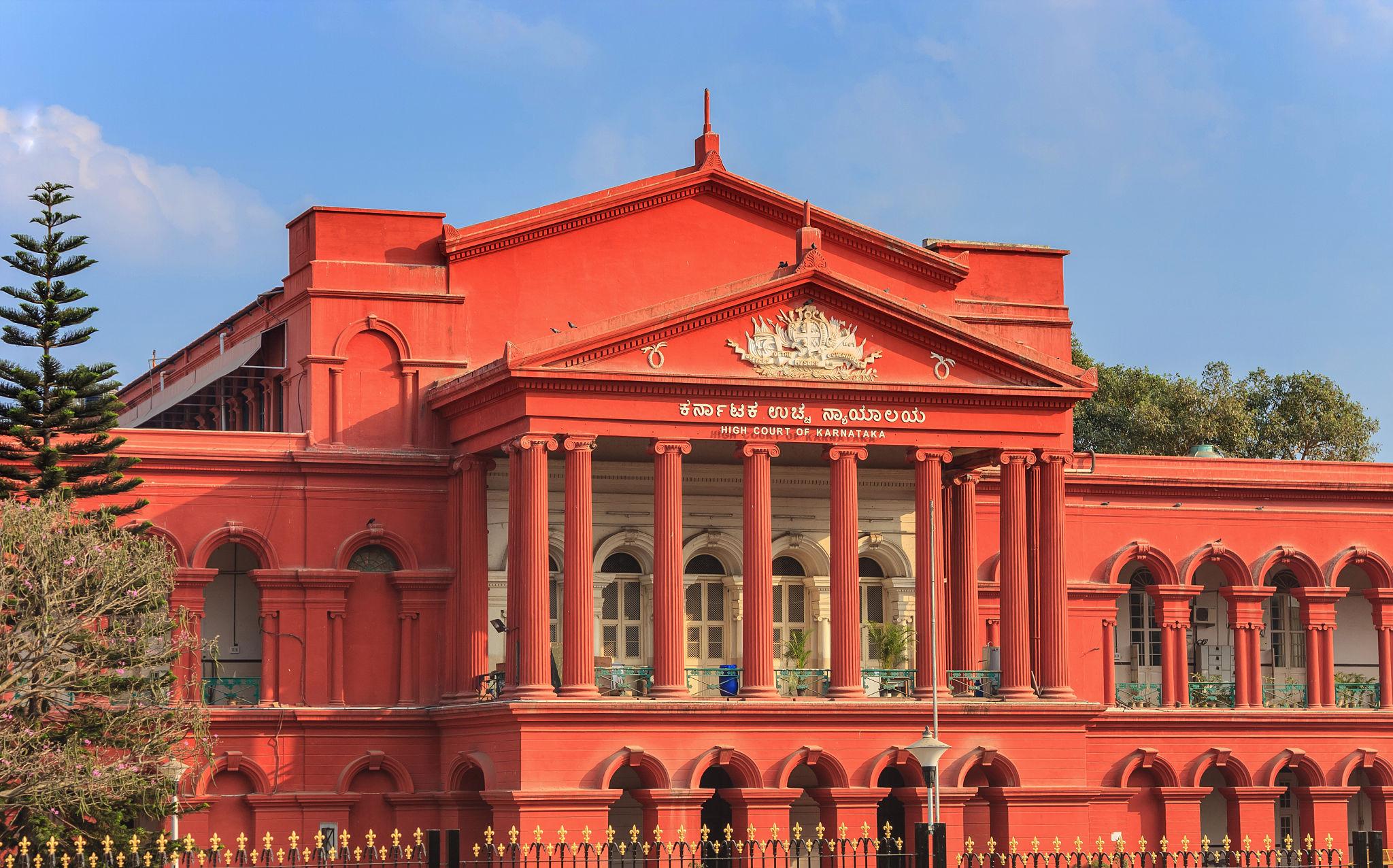
Bengaluru, 6 May 2026: Karnataka High Court tourist visa rule has come into focus after the Karnataka High Court upheld a “Leave India Notice” issued to a French national accused of violating the conditions of his tourist visa by engaging in commercial activities in India.
The ruling reinforces the legal framework governing foreign nationals and highlights the importance of strict compliance with visa regulations while staying in the country.
Karnataka High Court Tourist Visa Rule Strengthens Visa Compliance
The Karnataka High Court tourist visa rule was highlighted during proceedings involving Christophe Stephane Monxion, a 54-year-old French citizen who challenged a notice issued by the Foreigners Regional Registration Officer (FRRO).
The petitioner argued that he was legally residing in India on a tourist visa valid until November 24, 2026, and claimed the notice directing him to leave India was arbitrary and issued without proper hearing.
However, the court rejected these arguments and upheld the FRRO’s action.
Court Says Tourist Visa Cannot Be Used for Business
A major observation under the Karnataka High Court tourist visa rule was that a tourist visa cannot be converted into a platform for commercial or business activities.
Justice Sachin Shankar Magadum stated that foreign nationals entering India on tourist visas are expected to comply strictly with the conditions attached to their stay.
The court observed that foreign citizens do not possess an automatic right to continue residing in India while conducting unauthorised commercial operations.
Restaurant Operations Triggered Legal Action
The case involved allegations that the petitioner had been operating a restaurant in Hittalamakki in Uttara Kannada for a prolonged period.
According to the court, the operation of a restaurant and related activities clearly exceeded the permissible limits of a tourist visa.
The Karnataka High Court tourist visa rule judgment noted that the petitioner’s actions amounted to misuse of the visa category under which he had entered India.
Adverse Reports Considered by the Court
The court also took note of adverse reports submitted by law enforcement agencies.
Apart from the alleged unauthorised business operations, the petitioner reportedly became involved in disputes with local landowners, affecting local order and administration.
The order further referred to allegations of misconduct, threats, and inappropriate communication, which were considered while evaluating the case.
FRRO Action Upheld by Karnataka High Court
The Karnataka High Court tourist visa rule ruling confirmed that the “Leave India Notice” issued by the FRRO was legally valid and did not suffer from arbitrariness.
The court observed that the notice was consistent with India’s constitutional and statutory provisions governing foreign nationals.
As a result, the petitioner was directed to comply with the order and leave the country.
Importance of Visa Rules for Foreign Nationals
The judgment sends a strong message regarding compliance with Indian immigration laws.
Authorities have increasingly focused on ensuring that tourist visas are not misused for employment, business, or other unauthorised activities. The Karnataka High Court tourist visa rule reinforces the principle that visa categories carry clear restrictions and responsibilities.
Impact on Tourism and Immigration Monitoring
The ruling is also significant for India’s tourism and immigration ecosystem, especially in destinations where foreign nationals stay for extended periods.
With rising international travel, authorities are strengthening monitoring mechanisms to ensure that visitors comply with the purpose of their visas and do not engage in activities that may affect public order or local governance.
Conclusion
The Karnataka High Court tourist visa rule ruling highlights the importance of adhering to visa conditions while staying in India. By upholding the FRRO’s “Leave India Notice,” the court has reinforced that tourist visas cannot be used for commercial activities or long-term business operations.
The judgment is expected to serve as an important reference point for future immigration and visa-related cases involving foreign nationals in India. It also underlines the government’s focus on maintaining transparency, legal compliance, and proper enforcement of visa regulations, ensuring that tourism-related entry permissions are not misused for unauthorised activities or business ventures.