
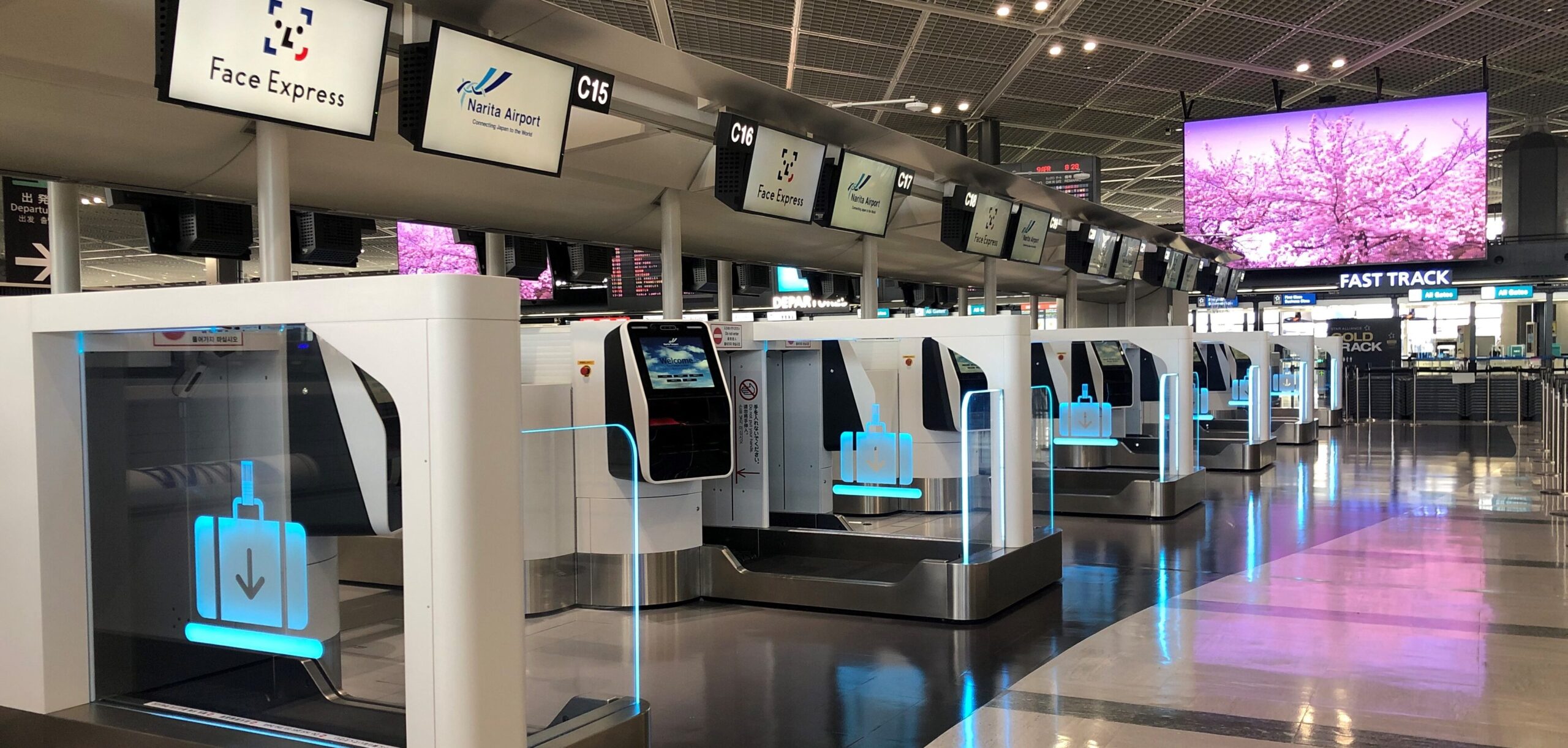
Bengaluru: Japan is accelerating its digital transformation in the aviation sector with the introduction of advanced smart airport technologies aimed at delivering faster, safer, and more seamless passenger experiences. By integrating artificial intelligence (AI) and biometric screening systems across major international airports, the country is positioning itself at the forefront of travel technology innovation.
The initiative comes as Japan prepares to accommodate a steady rise in international passenger traffic, driven by tourism recovery and global events. Airport authorities and government officials are prioritizing efficiency, security, and convenience to ensure that infrastructure keeps pace with growing demand.
AI-Powered Passenger Processing
A key component of Japan’s smart airport strategy is the deployment of AI-based passenger processing systems. These technologies are designed to streamline various touchpoints across the airport journey, from check-in and baggage drop to security screening and boarding.
AI-enabled systems can analyze passenger flow in real time, optimize queue management, and reduce congestion during peak travel periods. This not only minimizes waiting times but also enhances overall operational efficiency for airlines and airport authorities.
Smart check-in kiosks and self-service baggage drop facilities are becoming increasingly common, allowing travelers to complete formalities quickly and independently. These innovations are particularly beneficial for high-traffic airports such as Tokyo’s Haneda and Narita, as well as Kansai International Airport in Osaka.
Biometric Screening Enhances Security and Convenience
Biometric technology is another cornerstone of Japan’s airport modernization efforts. Facial recognition systems are being introduced to enable contactless identity verification at multiple checkpoints, including security gates, immigration counters, and boarding gates.
Passengers can move through the airport using a single biometric profile, eliminating the need to repeatedly present passports or boarding passes. This not only accelerates processing times but also enhances security by reducing the risk of identity fraud.
The adoption of biometric screening aligns with global trends toward touchless travel, a priority that has gained traction in recent years as travelers seek safer and more hygienic experiences.
Automated Immigration and Smart Gate Expansion
Japan is also expanding the use of automated immigration gates to facilitate faster entry and exit procedures. These smart gates use biometric authentication and digital data to process travelers efficiently, significantly reducing queues at immigration checkpoints.
Frequent travelers and registered users can benefit from expedited clearance, while new systems are being developed to accommodate a broader range of international visitors. The integration of these technologies ensures a smoother transition from arrival to onward travel.
Meeting the Needs of Growing Travel Demand
Officials have emphasized that digital transformation is critical to managing the anticipated surge in global travel. Japan’s airports are expected to handle increasing passenger volumes in the coming years, making efficiency and scalability essential.
By leveraging cutting-edge technology, Japan aims to create a future-ready aviation ecosystem that can adapt to changing travel patterns and passenger expectations. These advancements also support the country’s broader tourism strategy, which focuses on attracting high-value travelers and enhancing overall visitor satisfaction.
Positioning as a Global Leader in Travel Technology
Japan’s commitment to innovation is reinforcing its reputation as a leader in travel technology. The integration of AI, biometrics, and automation reflects a forward-thinking approach that combines operational excellence with passenger-centric design.
The country’s smart airport initiatives are also setting benchmarks for other global aviation hubs, demonstrating how technology can transform the travel experience while maintaining high standards of safety and efficiency.
Opportunities for the Travel Trade
For travel trade professionals, Japan’s advancements present new opportunities to promote the destination as a technologically advanced and traveler-friendly market. Faster processing times and improved airport experiences can serve as key selling points for tour operators and travel advisors.
As Japan continues to invest in digital infrastructure, collaboration between airlines, travel agencies, and technology providers will be essential to maximize the benefits of these innovations. The seamless integration of smart systems is expected to enhance the overall travel journey, from booking to arrival.
Looking Ahead
With the rollout of smart airport technologies, Japan is not only improving its aviation infrastructure but also redefining the future of travel. As global competition intensifies, the country’s focus on innovation, efficiency, and passenger experience positions it strongly within the international tourism landscape.
The move underscores Japan’s commitment to embracing digital transformation and ensuring that its airports remain among the most advanced and efficient in the world.
Follow Travel Trade News social media channels for the latest updates on travel, tourism, aviation, hospitality, and industry news.