
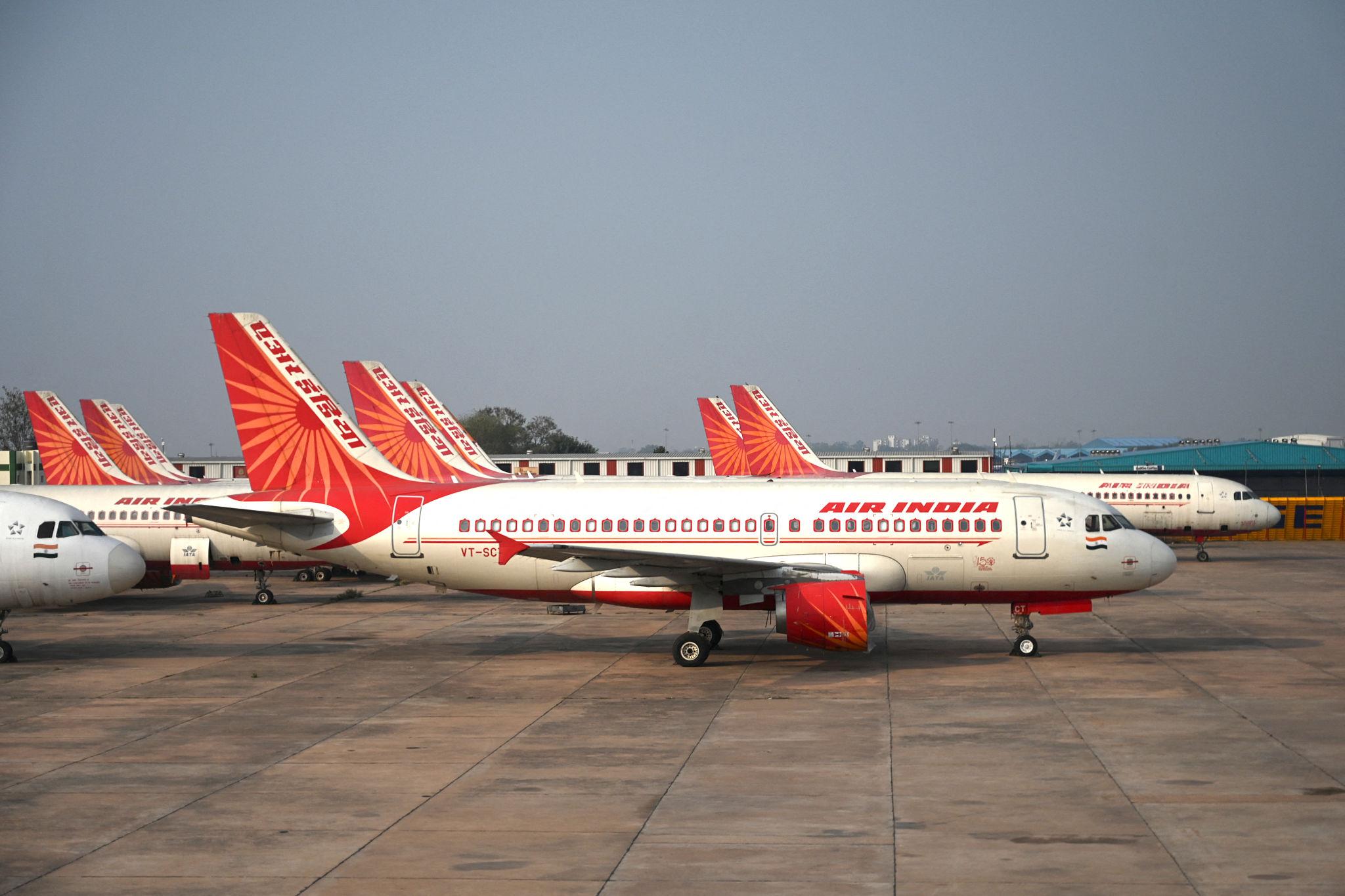
Mumbai, April: Air India has reported a wider-than-expected annual loss exceeding ₹22,000 crore for FY26, raising serious concerns about its financial trajectory as it continues its transformation under the Tata Group.
According to industry reports, the airline’s loss for the financial year ending March 31 significantly surpassed internal projections, prompting discussions with key stakeholders, including Singapore Airlines, for a potential capital infusion. However, early indications suggest that the proposed funding may not fully cover the airline’s financial requirements.
Air India Loss FY26 Highlights Transformation Challenges
The Air India loss FY26 comes at a critical stage of the airline’s ambitious turnaround strategy. Since its acquisition by the Tata Group, the carrier has been undergoing large-scale transformation, including fleet modernisation, service upgrades, and operational integration.
A major milestone was the merger with Vistara in 2024, aimed at strengthening its full-service operations and improving network synergies. However, despite these efforts, the airline’s recovery has faced disruptions due to both internal restructuring challenges and external pressures.
Adding to the uncertainty, CEO Campbell Wilson has announced plans to step down later in 2026, raising concerns about leadership continuity during a crucial phase of transformation.
Operational and Geopolitical Pressures Impact Performance
The Air India loss FY26 has been driven by multiple external and operational challenges:
✈️ Airspace Restrictions
The closure of Pakistani airspace for Indian carriers has forced Air India to reroute flights to Europe and North America, increasing travel time, fuel consumption, and overall operating costs.
🌍 Geopolitical Tensions
Ongoing instability in the Middle East, which accounts for approximately 16% of the airline’s operational capacity, has disrupted routes and reduced efficiency.
⚠️ Aircraft Incident Impact
An incident involving a Boeing 787 Dreamliner earlier this year led to operational disruptions and reduced flight schedules across domestic and international networks.
⛽ Rising Fuel Costs
Volatility in global crude oil prices has increased aviation turbine fuel (ATF) costs, putting additional pressure on margins and profitability.
These combined factors have significantly impacted revenue generation and operational stability.
Ripple Effects on Strategic Partnerships
The Air India loss FY26 has also had implications for its partners. Singapore Airlines, which holds a 25.1% stake in Air India following the Vistara merger, is reportedly facing pressure on its earnings due to the airline’s losses.
This situation highlights the interconnected nature of global airline partnerships and the wider impact of financial instability within large aviation groups.
Funding Plans and Capital Requirements
To address the ongoing Air India loss FY26, the airline is actively exploring funding options. Discussions with stakeholders are focused on securing fresh capital to stabilise operations and support ongoing transformation initiatives.
The airline is expected to require significant additional funding beyond initial estimates, particularly to manage debt obligations, operational costs, and expansion plans. Analysts suggest that securing timely capital will be critical to maintaining operational continuity.
Long-Term Strategy and Investment Plans
Despite the financial setbacks, Air India’s long-term transformation strategy remains intact. The airline has placed one of the largest aircraft orders in aviation history and continues to invest in:
- Fleet modernisation and expansion
- Service quality improvements
- Infrastructure and workforce training
These investments are aimed at positioning Air India as a globally competitive full-service carrier.
Outlook for Air India and Indian Aviation
The Air India loss FY26 underscores the complexity of large-scale airline transformation in a volatile global environment. While short-term losses are significant, they are not entirely unexpected during a restructuring phase of this scale.
India’s aviation market continues to show strong long-term growth potential, driven by increasing passenger demand, expanding infrastructure, and rising middle-class travel.
For Air India, the immediate priorities will include stabilising finances, improving operational efficiency, and ensuring leadership continuity.
Conclusion: Critical Phase for Recovery
The ₹22,000 crore loss highlights the challenges involved in transforming a legacy airline into a modern, globally competitive carrier. While the road ahead remains challenging, Air India’s strategic importance, strong backing from the Tata Group, and long-term growth prospects provide a foundation for recovery.
The coming months will be crucial in determining how effectively the airline navigates financial pressures while continuing its transformation journey.