
Dubai, UAE, 3 July 2026: Middle East tourism trends are undergoing a significant transformation as travellers increasingly explore destinations beyond the region’s traditional tourism hubs of Dubai and Riyadh. Across the Gulf and the wider Middle East, destinations focused on culture, heritage, adventure and nature are attracting growing numbers of international visitors seeking more authentic and immersive travel experiences.
From the mountains of Ras Al Khaimah and the cultural districts of Sharjah to the heritage landscapes of AlUla and the natural beauty of Oman and Jordan, tourism authorities are broadening their offerings to appeal to changing traveller preferences.
Middle East Tourism Trends Drive Destination Diversification
The latest Middle East tourism trends reflect a shift from city-centre tourism towards experience-led travel.
While major cities continue to attract millions of visitors annually, travellers are increasingly extending their itineraries to explore lesser-known destinations that offer outdoor adventures, heritage attractions and local culture.
Tourism authorities across the region are responding by investing in destination diversification, sustainable tourism and niche travel experiences.
Ras Al Khaimah Builds an Adventure Tourism Identity
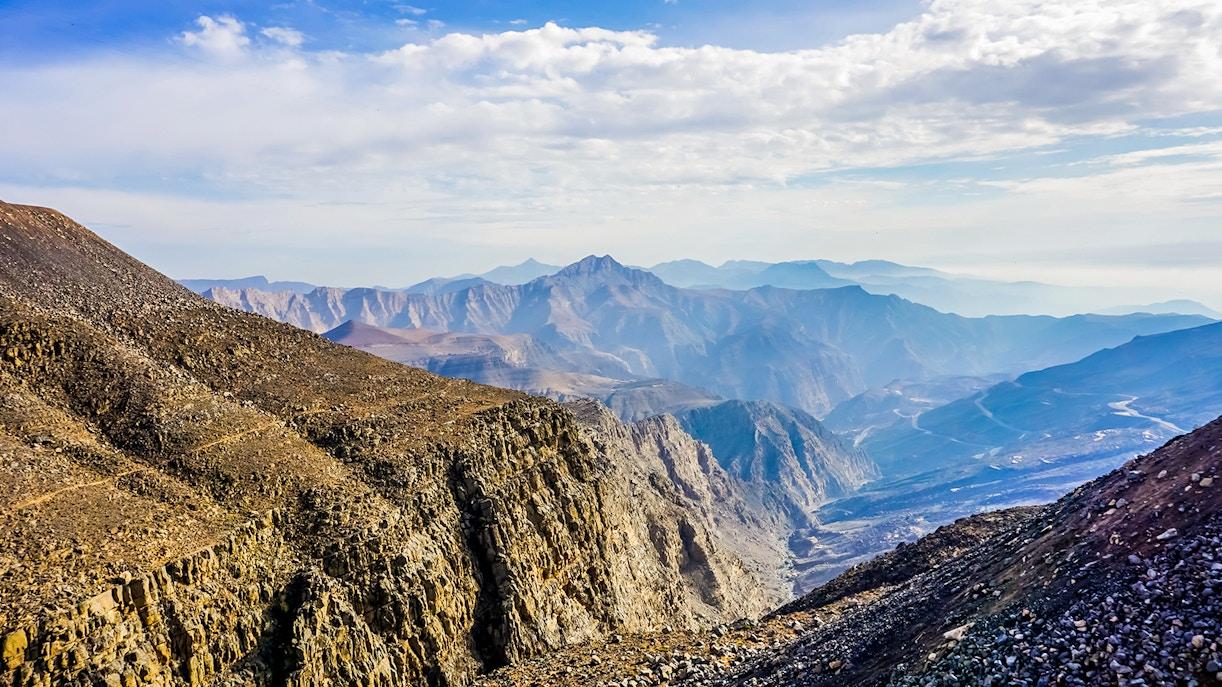
Among the destinations benefiting from changing Middle East tourism trends is Ras Al Khaimah, which has positioned itself as the UAE’s leading adventure tourism destination.
The emirate offers visitors:
- Jebel Jais mountain experiences
- Hiking trails
- Zipline attractions
- Mountain biking
- Nature resorts
- Wellness retreats
Rather than competing directly with Dubai, Ras Al Khaimah has developed a distinctive tourism identity centred on outdoor recreation and natural landscapes.
Sharjah Strengthens Cultural Tourism
Sharjah continues to expand its reputation as the cultural capital of the UAE.
Through investments in heritage conservation and museums, the emirate offers travellers experiences focused on history, art and local traditions.
Major attractions include:
- Heart of Sharjah
- Heritage districts
- Museums
- Art galleries
- Cultural festivals
- Family-oriented attractions
These offerings appeal to visitors seeking educational and heritage-based tourism.
Saudi Arabia Expands Beyond Riyadh
Saudi Arabia is also reshaping regional Middle East tourism trends through significant investment in new tourism destinations.
Beyond Riyadh, the Kingdom is promoting:
- AlUla
- Red Sea destinations
- Heritage tourism
- Luxury coastal resorts
- Desert experiences
These projects form part of Saudi Arabia’s Vision 2030 strategy to diversify its tourism economy and attract international visitors throughout the year.
Nature Tourism Grows Across the Region
Neighbouring countries are also strengthening their tourism portfolios through nature-based experiences.
Oman continues to promote:
- Muscat
- Salalah
- Jebel Akhdar
- Mountain tourism
- Eco-tourism
Meanwhile, Jordan attracts visitors through iconic destinations such as Petra and Wadi Rum, combining archaeology, heritage and outdoor adventure.
Qatar has also expanded its tourism offering through cultural attractions, waterfront developments and world-class infrastructure following recent global sporting events.
Tourism Growth Supported by Strong Visitor Numbers
The evolving Middle East tourism trends are supported by robust international visitor growth.
Recent regional tourism figures indicate:
- Approximately 95 million international visitors travelled to the Middle East during 2024.
- Saudi Arabia welcomed more than 30 million international visitors.
- Dubai continued to attract over 18 million overnight visitors annually.
- Secondary destinations have reported sustained growth in visitor arrivals and tourism investment.
The data demonstrates growing demand for diverse tourism experiences across the region.
Sustainable Tourism Becomes a Priority
Governments across the Middle East are increasingly focusing on sustainable tourism development.
Investment priorities include:
- Community-based tourism
- Heritage preservation
- Eco-tourism
- Adventure tourism
- Infrastructure development
- Destination diversification
These initiatives aim to reduce dependence on a small number of gateway cities while creating long-term economic opportunities across multiple regions.
What It Means for Travellers
The changing Middle East tourism trends provide travellers with greater choice and more diverse itineraries.
Visitors can now combine:
- Urban experiences
- Mountain adventures
- Cultural exploration
- Beach holidays
- Heritage tourism
- Wellness retreats
This diversified approach is helping position the Middle East as a year-round destination offering experiences beyond traditional city tourism.
Key Highlights
- Middle East tourism expands beyond Dubai and Riyadh.
- Ras Al Khaimah strengthens adventure tourism.
- Sharjah focuses on heritage and cultural experiences.
- Saudi Arabia promotes AlUla and Red Sea tourism.
- Oman and Jordan attract nature and heritage travellers.
- Regional tourism diversification supports sustainable growth.
FAQ
What are the latest Middle East tourism trends?
Travellers are increasingly exploring destinations focused on nature, heritage, culture and adventure rather than only major metropolitan cities.
Which destinations are growing?
Ras Al Khaimah, Sharjah, AlUla, Oman, Jordan and Qatar are among the destinations experiencing increased tourism interest.
Why are travellers choosing secondary destinations?
Visitors are seeking authentic experiences, outdoor activities, cultural attractions and less crowded destinations.
What is driving this shift?
Government investment, improved infrastructure, destination diversification and changing traveller preferences are all contributing factors.
Conclusion
The latest Middle East tourism trends highlight a broader transformation of the region’s tourism landscape. While Dubai and Riyadh remain major international gateways, destinations specialising in culture, heritage, nature and adventure are attracting increasing global attention.
By developing distinctive tourism experiences and investing in sustainable growth, countries across the Middle East are creating a more diverse, resilient and competitive tourism ecosystem that offers travellers a richer and more varied regional experience.
Table of Contents
Related Posts

Saudi Arabia Summer Tourism Campaign Showcases Cooler Destinations and Luxury Experiences for Indian Travellers

Turkish Airlines Resumes Middle East Flights, Restores Abu Dhabi, Dammam, Kuwait and Bahrain Services