
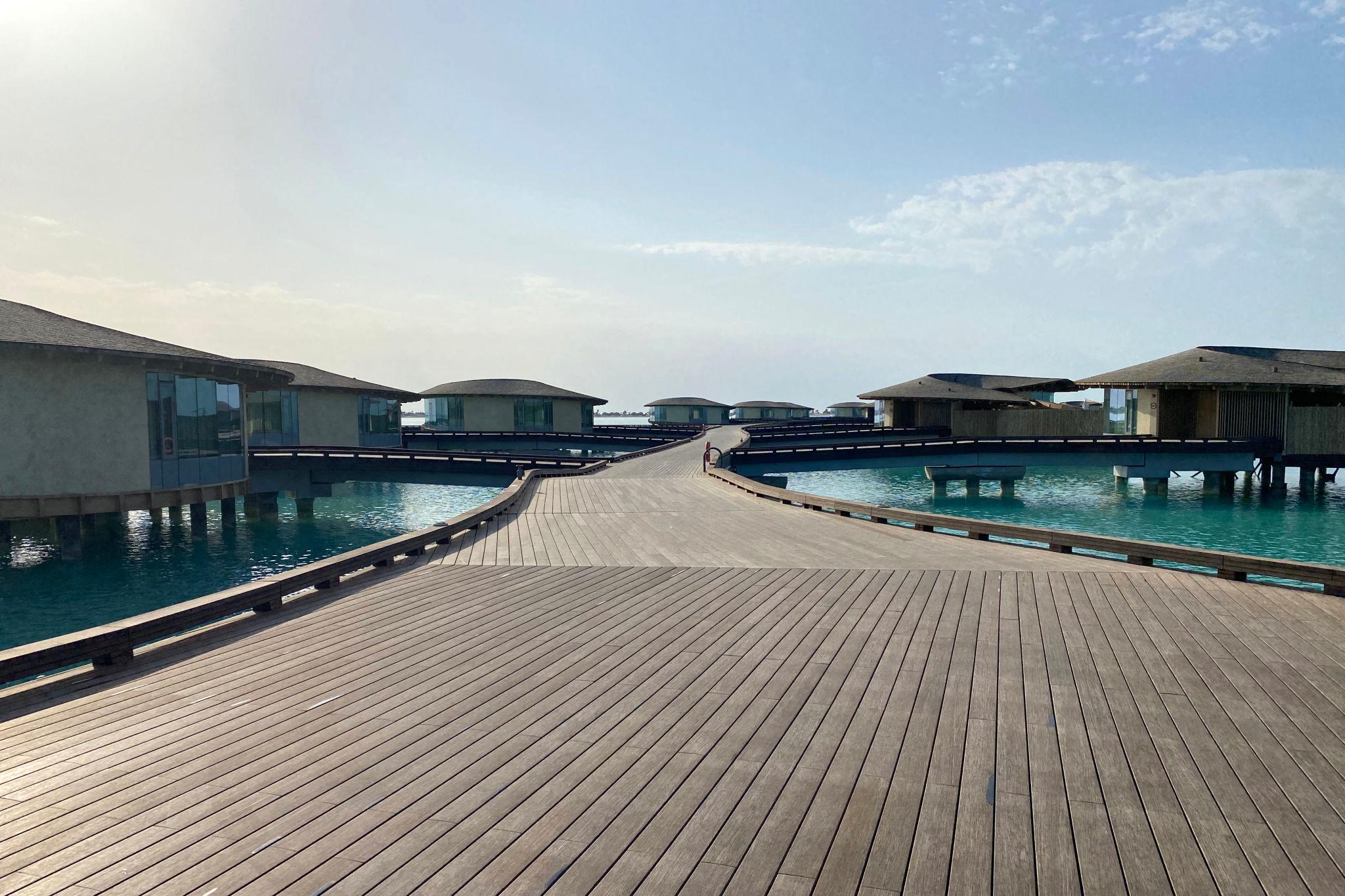
Jeddah, 6 May 2026: Saudi Red Sea Authority AlUla MoU marks a major step in strengthening environmental protection and sustainable tourism development in Saudi Arabia.
The agreement between the Saudi Red Sea Authority and the Royal Commission for AlUla reflects a shared commitment to advancing sustainable tourism policies, improving governance, and preserving natural resources.
Saudi Red Sea Authority AlUla MoU Focuses on Sustainability
The Saudi Red Sea Authority AlUla MoU aims to strengthen institutional integration in environmental and tourism-related policymaking.
The collaboration focuses on balancing environmental conservation with high-quality tourism experiences while supporting long-term destination sustainability.
According to reports from Saudi Press Agency, the partnership will support improved implementation efficiency and governance across tourism and environmental projects.
Agreement Signed by Senior Officials
The Saudi Red Sea Authority AlUla MoU was signed by Captain Traheb Alotaibi, Head of Policies and Regulations at the Saudi Red Sea Authority, and Sultan AlBooq, Chief General Counsel of the Royal Commission for AlUla.
The signing reflects the growing cooperation between Saudi institutions involved in tourism, sustainability, and environmental management.
Environmental Protection a Key Priority
A major objective of the Saudi Red Sea Authority AlUla MoU is the protection of terrestrial and marine ecosystems.
The agreement includes cooperation in:
- Protecting natural habitats
- Supporting sustainable land use
- Safeguarding wildlife and biodiversity
- Developing environmental public policies
The initiative aligns with Saudi Arabia’s broader efforts to promote sustainable environmental management while supporting tourism growth.
Sustainable Tourism Development and Visitor Experience
The Saudi Red Sea Authority AlUla MoU also focuses heavily on sustainable tourism development and destination integration.
Both entities will work together to improve tourism experiences through environmentally responsible practices and sustainable tourism activities.
The collaboration aims to ensure that tourism growth supports conservation efforts while maintaining the quality and authenticity of destinations.
Knowledge Sharing and Institutional Capacity Building
Another important aspect of the Saudi Red Sea Authority AlUla MoU is institutional capacity building.
The agreement includes the exchange of:
- Knowledge and expertise
- Data and research studies
- Public policy insights
- Best practices in sustainability
This approach is expected to strengthen operational models and improve long-term destination management.
Supporting Saudi Arabia’s Tourism Vision
The partnership supports Saudi Arabia’s broader tourism transformation strategy and sustainability objectives under national development initiatives.
Projects linked to the Red Sea region and AlUla are increasingly positioned as global tourism destinations combining heritage, culture, luxury tourism, and environmental conservation.
The Saudi Red Sea Authority AlUla MoU reinforces the country’s commitment to sustainable destination development.
Enhancing Long-Term Destination Readiness
The collaboration is also expected to improve the long-term readiness and competitiveness of national tourism destinations.
By integrating environmental protection into tourism planning, the two entities aim to create more resilient and future-ready tourism ecosystems.
The initiative contributes to increasing the added value of Saudi tourism assets while protecting natural and cultural heritage.
Conclusion
The Saudi Red Sea Authority AlUla MoU highlights Saudi Arabia’s growing focus on sustainability, environmental protection, and responsible tourism development.
Through collaboration, knowledge sharing, and integrated planning, the agreement is expected to strengthen destination management and support the long-term growth of the tourism sector.
As global tourism increasingly prioritises sustainability and environmental responsibility, partnerships like this are becoming essential for future destination development. The collaboration between the Saudi Red Sea Authority and the Royal Commission for AlUla demonstrates how integrated planning and conservation-focused tourism strategies can create long-term economic, environmental, and social value while enhancing the global appeal of Saudi Arabia’s tourism sector.
Saudi Arabia Expands Focus on Sustainable Tourism Investments
The Saudi Red Sea Authority AlUla MoU also reflects the Kingdom’s broader strategy to position itself as a leading global sustainable tourism destination. Saudi Arabia has been investing heavily in tourism infrastructure, heritage conservation, and environmentally responsible projects as part of its long-term economic diversification plans.
Destinations such as AlUla and the Red Sea region are increasingly attracting international attention for their combination of luxury tourism, natural landscapes, cultural heritage, and sustainability-focused experiences. By integrating environmental protection with tourism development, Saudi authorities aim to create globally competitive destinations capable of supporting long-term visitor growth while preserving ecological and cultural assets.
The collaboration is expected to contribute to future tourism projects, policy frameworks, and sustainability initiatives that enhance operational standards and improve visitor experiences across the Kingdom’s tourism ecosystem.
Additional Conclusion
The partnership further demonstrates how cross-institutional cooperation can accelerate sustainable tourism goals and strengthen destination resilience. As environmental awareness grows among travellers and investors, initiatives like the Saudi Red Sea Authority AlUla MoU are expected to play a crucial role in shaping the future of responsible tourism development in the Middle East and beyond.