
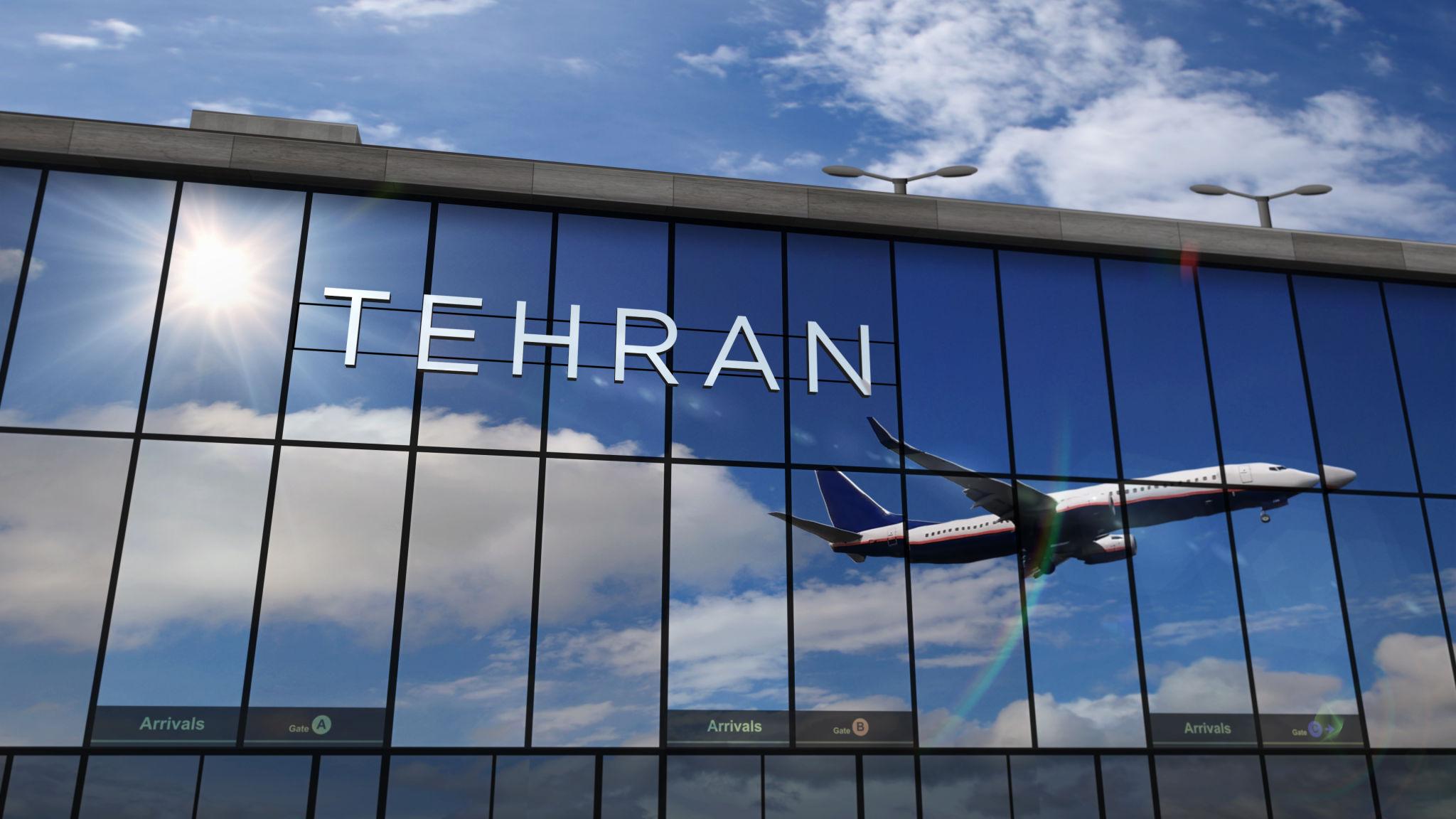
Tehran, 25 April 2026: Iran flights have officially resumed from Imam Khomeini International Airport, marking a significant step toward restoring aviation operations after months of disruption caused by regional conflict. The resumption of commercial services signals a cautious return to normalcy following an indefinite ceasefire between Iran, the United States, and Israel.
State media confirmed that flights departed from Tehran on Saturday to key international destinations, including Istanbul, Muscat, and Medina.
Iran Flights Restart After Partial Airspace Reopening
The resumption of Iran flights comes after a phased reopening of the country’s airspace earlier this month. The move follows a ceasefire agreement that paused active hostilities and allowed limited aviation operations to restart.
The return of commercial flights is expected to:
- Improve international connectivity
- Support stranded passengers and essential travel
- Gradually restore airline operations
While services have resumed, aviation authorities are expected to continue monitoring the situation closely.
Ceasefire Brings Temporary Stability
The restart of Iran flights is closely linked to the ongoing ceasefire, which has significantly reduced military activity in the region. The agreement has provided a window for critical sectors, including aviation, to begin recovery.
However, the ceasefire remains fragile, with geopolitical tensions still influencing regional stability. Industry observers note that aviation recovery will depend heavily on the durability of diplomatic progress.
Diplomatic Efforts Intensify in Islamabad
The reopening of Iran flights coincides with renewed diplomatic engagement involving Iran, the United States, and regional stakeholders.
Abbas Araghchi arrived in Islamabad for high-level discussions with Pakistan’s political and military leadership. The talks are part of ongoing efforts to sustain the ceasefire and advance negotiations.
Pakistan is playing a key mediating role, facilitating indirect communication between Iran and the United States.
US Delegation Engages Through Mediation
The White House confirmed that Donald Trump has sent senior envoys, including Steve Witkoff and Jared Kushner, to Pakistan.
The diplomatic mission aims to revive negotiations with Tehran. However, Iran has maintained that any engagement with US representatives will remain indirect, with Pakistani officials acting as intermediaries.
This approach reflects the complex nature of ongoing diplomatic relations.
Impact on Aviation and Global Travel
The resumption of Iran flights is expected to have broader implications for global aviation and travel networks.
Key impacts include:
- Restoration of regional air routes
- Improved passenger movement across key corridors
- Gradual normalization of airline schedules
However, uncertainties remain due to ongoing geopolitical tensions.
Economic Disruptions Continue
Despite the restart of Iran flights, economic challenges persist. One of the most significant impacts has been on global energy markets, particularly due to disruptions in the Strait of Hormuz.
The closure of key shipping routes has affected:
- Global oil supply chains
- Energy prices
- International trade flows
These factors continue to influence both aviation and broader economic recovery.
Background: Escalation and Conflict Timeline
The aviation disruption began following heightened tensions and military action involving Iran, the United States, and Israel earlier this year.
Previous diplomatic efforts included indirect talks in Geneva, where negotiations over Iran’s nuclear program failed to reach an agreement. The breakdown in talks was followed by military escalation, leading to widespread disruption across multiple sectors.
Industry Perspective
From a travel and aviation standpoint, the resumption of Iran flights is a positive but cautious development.
Industry experts highlight:
- The importance of stable geopolitical conditions
- The need for consistent regulatory approvals
- The role of diplomacy in restoring travel networks
Airlines and travel operators are expected to adopt a phased approach in resuming full operations.
Future Outlook
Looking ahead, the future of Iran flights will depend on the continuation of diplomatic progress and the stability of the ceasefire.
Potential developments include:
- Expansion of international flight routes
- Increased airline participation
- Gradual recovery of passenger demand
However, any escalation in tensions could impact aviation operations once again.
Conclusion
The resumption of Iran flights from Tehran marks a significant step toward recovery for the country’s aviation sector. While the move reflects improving conditions under the ceasefire, the situation remains fluid.
With ongoing diplomatic efforts and cautious optimism, the coming weeks will be critical in determining the long-term stability of both regional aviation and broader geopolitical relations.