
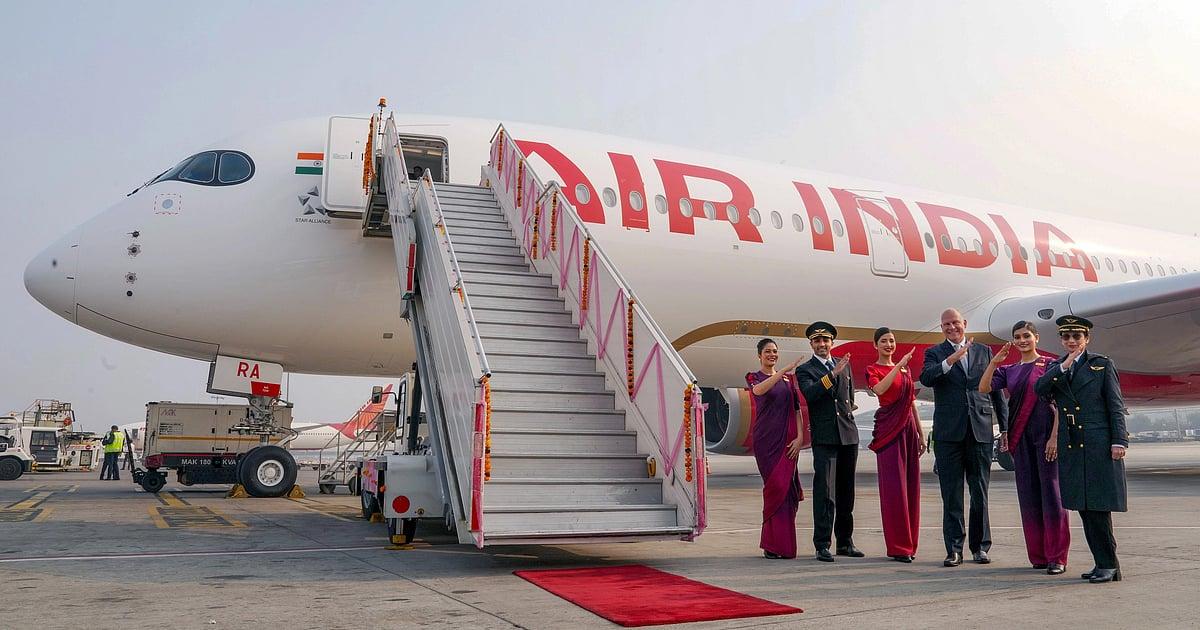
Bengaluru, 20 April: Air India has issued a clarification after facing criticism over an internal grooming guideline that appeared to restrict cabin crew from wearing bindis, sindoor, and tikka, stating that the document circulating online is outdated and no longer in use. The Air India grooming guidelines controversy gained attention after an outdated internal document circulated online.
This recent incident reflects the ongoing challenges faced by companies in adapting to cultural sensitivities while maintaining a professional image. The balance between personal expression and corporate policy is delicate, especially in industries where uniforms are the norm. Understanding employees’ backgrounds and beliefs is crucial for fostering an inclusive workplace.
Such guidelines are not new in the aviation sector; many airlines have struggled with similar issues. For example, in 2018, a major airline faced backlash for their policies regarding hairstyles, which were perceived as discriminatory against certain ethnic groups. This incident catalyzed broader discussions on how appearance-related policies could unintentionally marginalize specific demographics.
The controversy emerged after excerpts from a cabin crew handbook surfaced on social media, suggesting that “tikkas and sindoor of any colour on the forehead are not permitted,” while also placing conditions on the use of bindis.
Social media platforms have become powerful tools for employees and advocates to voice their concerns. The rapid spread of information can lead to swift public reactions, as seen in this case. Users on platforms such as Twitter and Instagram mobilized quickly, sharing their discontent and urging the company to reconsider its stance. This phenomenon showcases the increasing importance of corporate accountability in the digital age.
Moreover, cultural symbols like bindis hold significant meaning for many individuals, often representing spiritual beliefs or cultural heritage. It’s important for companies to recognize the personal significance these symbols carry and ensure that their policies reflect awareness and respect for such traditions. Providing a platform for employees to share their cultural practices can enhance workplace culture and inclusivity.
Social Media Backlash
In addition to garment policies, the discussion around grooming extends to personal grooming standards, which can vary widely among different cultures. As companies strive for a cohesive brand image, they must also remain sensitive to the cultural contexts of their employees. For instance, hair types, styles, and care practices differ significantly across ethnicities, necessitating flexible policies that honor these differences.
The need for clarity in communication cannot be overstated. Organizations are encouraged to engage in open dialogue with their employees to ensure everyone understands the guidelines and the reasoning behind them. This transparency not only builds trust but also empowers employees to feel confident in expressing their identity at work.
The global trend toward diversity and inclusion cannot be ignored. More companies are prioritizing inclusive practices, recognizing that diverse teams drive creativity and innovation. Air India’s clarification indicates a willingness to adapt to these changing expectations, aligning its policies with contemporary values that celebrate diversity.
Within this broader context, the need for regular training on cultural competency for management and staff is becoming apparent. Training programs can help employees understand the significance of various cultural symbols and practices, thereby fostering a more inclusive environment. Such initiatives can also mitigate potential misunderstandings and conflicts arising from differing cultural practices in the workplace.
Additionally, the role of social media cannot be underestimated. Companies must remain vigilant about their online presence and the implications of public feedback. Monitoring platforms for employee sentiment can provide valuable insights into areas that may need attention and improvement. A proactive approach to public relations can help mitigate potential crises before they escalate.
Finally, as businesses navigate these challenges, collaboration with experts in cultural sensitivity and diversity can be beneficial. Engaging with consultants or specialists who understand the nuances of different cultural practices can provide companies with the knowledge needed to develop comprehensive, respectful policies.
The guidelines sparked widespread discussion online, with users raising concerns about cultural sensitivity and personal expression in workplace policies.
As companies like Air India evolve, the emphasis on cultural respect alongside professionalism could set new benchmarks in the industry, encouraging other organizations to follow suit. The journey toward inclusivity is ongoing, and organizations that embrace this change will likely find themselves better positioned to attract and retain talent.
The document indicated that a 5mm bindi could be worn optionally with saree uniforms, but was not permitted with Indo-Western attire, leading to criticism over perceived inconsistencies.
Airline Responds
In response, an Air India spokesperson clarified that employees are allowed to wear bindis, and that the document being circulated does not reflect current policy.
“Air India would like to clarify that its employees have the choice to wear bindi. The images being circulated online are from an older manual that is no longer in use,” the spokesperson said.
The airline emphasized that its present grooming standards do not impose restrictions on cultural or religious expressions such as bindis.
Outdated Document Acknowledged
The issue comes shortly after a similar controversy involving Lenskart, which also faced backlash over a style guide that appeared to restrict certain cultural symbols.
Lenskart’s founder and CEO Peyush Bansal acknowledged that an older internal document had been circulated and clarified that the company has no restrictions on religious or cultural expressions, including bindis and tilak.
Broader Industry Context
The incidents highlight increasing scrutiny on corporate policies related to employee appearance, particularly in sectors such as aviation and retail where uniform standards are common.
Companies are increasingly expected to balance brand image, uniformity, and inclusivity, ensuring that policies respect cultural diversity while maintaining professional standards.
Industry Perspective
For the aviation sector, grooming guidelines remain an important aspect of brand identity and customer experience. However, evolving social expectations are prompting airlines to review and update policies to reflect inclusivity and cultural sensitivity.
Experts note that transparent communication and regular policy updates are critical to avoid misunderstandings and maintain employee trust. The clarification on Air India grooming guidelines highlights the importance of inclusive workplace policies in modern aviation.
Current Status
Air India has reiterated that the guideline in question has already been removed and does not reflect its current practices.
As the dialogue around cultural expression in workplaces continues to evolve, the importance of policies that reflect the values of diversity and acceptance will remain crucial. The recent clarification by Air India serves as a reminder of the ongoing need for sensitivity and adaptability in corporate policies moving forward.
Table of Contents
To publish your news, press releases, or industry updates, reach out to us at connect@ttnconnect.world and join the conversation about how companies like Air India navigate the complexities of modern workplace expectations.
The airline continues to focus on aligning its policies with its broader transformation strategy and evolving workforce expectations.
Follow Travel Trade News social media channels for the latest updates on travel, tourism, aviation, hospitality, and industry news. Embracing cultural diversity and inclusivity in corporate practices is essential for building a resilient and adaptable workforce.
To publish your news, press releases, or industry updates, reach out to us at connect@ttnconnect.world