
Jeddah, 17 April: The Hajj 2026 Rules have been introduced by Saudi Ministry of Interior to regulate pilgrimage flow and enhance safety during the upcoming Hajj season (1447 AH). The new guidelines outline strict penalties to prevent unauthorized entry into Makkah and surrounding Holy Sites.
These updated measures aim to ensure a safer, more organized pilgrimage experience for millions of visitors.
Strict Fines for Unauthorized Pilgrims
Under the Hajj 2026 Rules, performing or attempting Hajj without a valid permit can result in fines of up to SAR 20,000.
The regulation also applies to visit visa holders entering or staying in restricted areas between:
- 1st of Dhu al-Qi’dah (April 19)
- 14th of Dhu al-Hijjah
Authorities have emphasized that limiting participation to authorized pilgrims is essential for crowd control and safety management.
Heavy Penalties for Facilitators
The Hajj 2026 Rules also impose stricter penalties on those facilitating violations, with fines reaching SAR 100,000.
Offenses include:
- Assisting in unauthorized visa applications
- Transporting individuals without permits
- Providing accommodation or shelter
Penalties may increase depending on the number of violators involved, making organized violations particularly costly.
Deportation and Entry Ban Measures
In addition to fines, the Hajj 2026 Rules include strict immigration actions. Residents and overstayers attempting unauthorized participation will face:
- Deportation
- A 10-year entry ban into Saudi Arabia
This reflects the Kingdom’s zero-tolerance policy during the pilgrimage season.
Vehicle Confiscation and Legal Enforcement
Authorities have also strengthened enforcement under the Hajj 2026 Rules by allowing confiscation of vehicles used in transporting unauthorized pilgrims.
Legal procedures include:
- Court-directed confiscation
- Right to appeal within 30 days
- Further legal challenge within 60 days
These steps ensure accountability across all levels of violation.
Advisory for Travelers and Travel Trade
Authorities have urged strict compliance with the Hajj 2026 Rules, advising travelers to avoid any unauthorized activities.
Pilgrims and residents can report violations via emergency helpline 911 in the Makkah region.
For travel agents and tour operators, adherence is critical to avoid:
- Financial penalties
- Legal consequences
- Damage to reputation
Ensuring Safer Pilgrimage Operations
The new framework under the Hajj 2026 Rules is part of broader efforts to improve crowd management and operational efficiency.
Hajj is one of the largest annual gatherings globally, attracting millions of pilgrims. Effective regulation ensures:
- Better crowd control
- Reduced safety risks
- Improved overall experience
Growing Use of Technology in Hajj Management
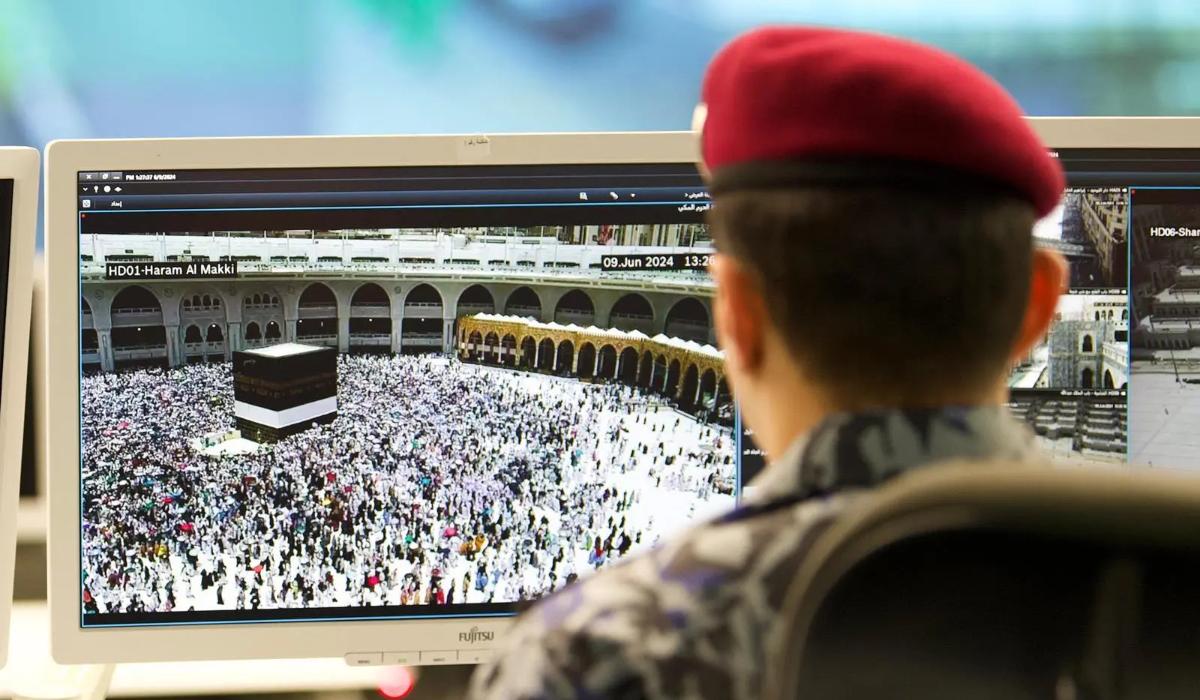
Saudi authorities are also leveraging technology alongside regulatory measures. Digital permits, tracking systems, and real-time monitoring tools are being used to ensure compliance and manage pilgrim flow more efficiently.
These advancements are expected to further enhance safety and streamline operations during peak pilgrimage periods.
Impact on International Pilgrimage Planning
The updated Hajj 2026 Rules will influence how global pilgrims plan their journeys. Travel companies must ensure:
- Proper documentation
- Verified permits
- Compliance with entry regulations
This structured approach will reduce uncertainties and improve coordination across international travel networks.
Key Takeaway
The message from Saudi authorities is clear—strict compliance is mandatory.
With heavy fines, deportation risks, and legal consequences, travelers and industry stakeholders must follow the updated guidelines carefully to ensure a safe and successful pilgrimage.