
Srinagar, 16 April: The debate around alcohol-free tourism is gaining renewed attention as questions emerge over whether destinations like Kashmir can continue to attract a diverse range of travelers without permitting the sale of liquor. Known for its breathtaking landscapes, serene lakes, and cultural richness, Kashmir has long been one of India’s most sought-after tourist destinations. However, evolving policy discussions around restricting alcohol sales have sparked conversations across the travel and tourism industry.
Kashmir’s tourism appeal has traditionally been rooted in its natural beauty and unique cultural identity rather than nightlife or party-driven experiences. Destinations such as Srinagar, Gulmarg, and Pahalgam attract millions of domestic and international tourists each year, many of whom seek tranquility, adventure, and heritage experiences.
From a cultural perspective, limiting alcohol aligns with the region’s social and religious sensitivities. Local stakeholders often argue that preserving cultural values and maintaining a family-friendly tourism environment can enhance Kashmir’s positioning as a safe and peaceful destination.
However, from a business standpoint, the absence of alcohol presents both opportunities and challenges. For certain segments particularly international travelers and high-spending leisure tourists—access to alcoholic beverages is often considered part of a complete travel experience. Luxury hotels and resorts, which cater to premium clientele, may face constraints in meeting guest expectations.
Industry experts suggest that the success of alcohol-free tourism in Kashmir will depend on how effectively the destination can reposition itself. Instead of competing with nightlife-driven destinations, Kashmir has the potential to strengthen its identity as a wellness, nature, and experiential tourism hub.
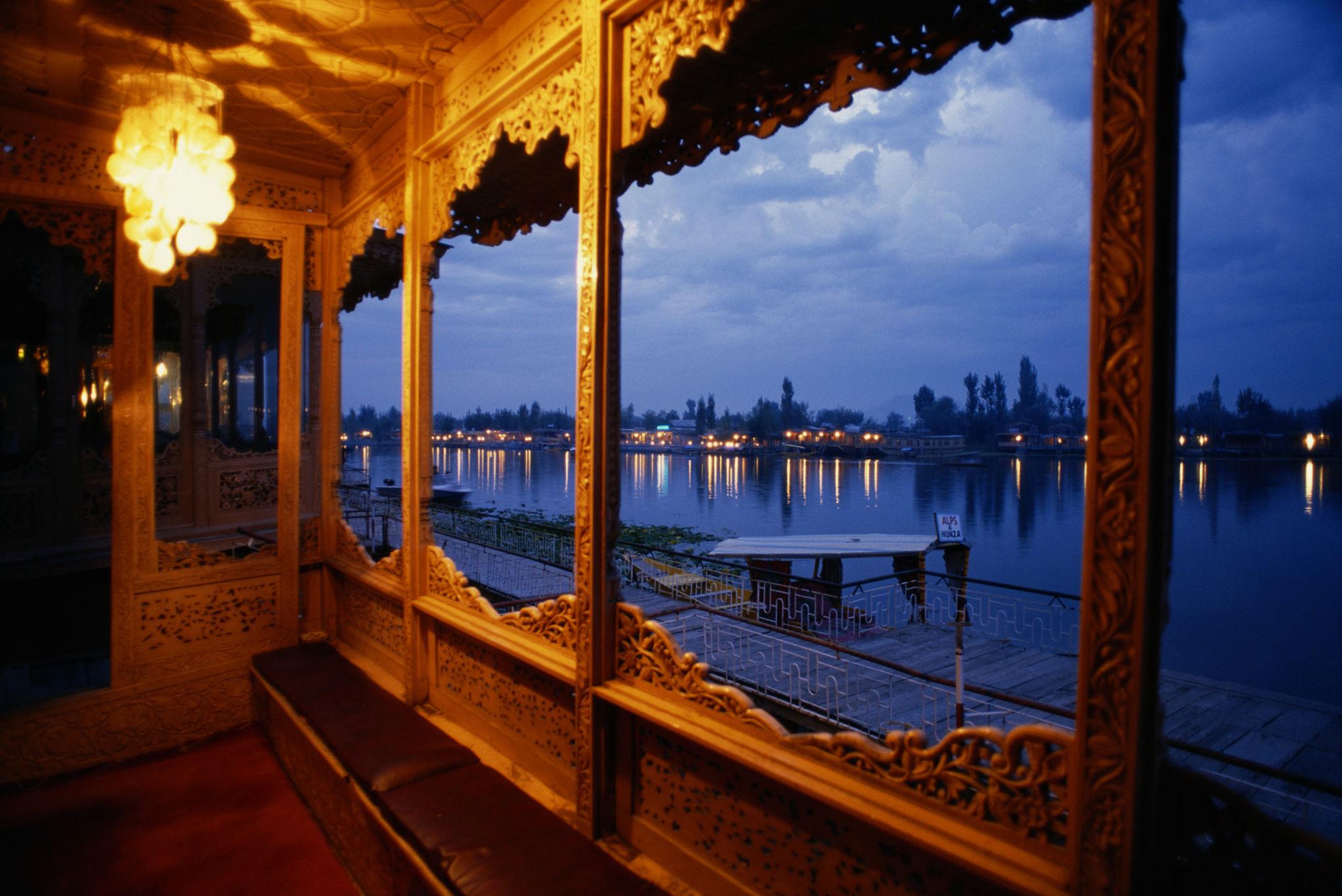
The global travel landscape is already witnessing a shift toward mindful and experience-based tourism. Trends such as wellness retreats, eco-tourism, spiritual travel, and slow travel are gaining momentum. Kashmir is well-positioned to capitalize on these trends by offering curated experiences such as houseboat stays, trekking, skiing, and cultural immersion programs.
For the travel trade, this shift requires strategic adaptation. Tour operators and travel agencies may need to redesign itineraries to focus more on experiences rather than conventional leisure offerings. Packages highlighting local cuisine, handicrafts, heritage walks, and nature-based activities can help offset the absence of nightlife elements.
Hospitality players, on the other hand, can innovate by enhancing non-alcoholic beverage experiences, wellness amenities, and personalized services. Premium teas, traditional Kashmiri beverages like kahwa, and wellness-focused menus can become key differentiators.
There is also a growing segment of travelers who actively prefer alcohol-free environments. Family travelers, religious tourists, and wellness-focused visitors often seek destinations that offer a calm and culturally immersive atmosphere. For this audience, Kashmir’s positioning as a “clean and conscious” destination could be a significant advantage.
At the same time, policymakers must carefully balance cultural considerations with economic realities. Tourism is a major contributor to Kashmir’s economy, supporting thousands of livelihoods across hospitality, transport, and local businesses. Any policy decisions must ensure that visitor numbers and spending levels remain sustainable.
Comparisons can be drawn with destinations in the Middle East and certain parts of Asia where alcohol restrictions coexist with strong tourism performance. These regions have successfully positioned themselves through luxury, culture, and unique experiences rather than nightlife.
Ultimately, the question is not whether Kashmir can attract tourists without alcohol—but how it can redefine its tourism narrative to align with changing global preferences. By focusing on authenticity, sustainability, and high-value experiences, Kashmir has the potential to turn this challenge into a strategic advantage.
For the travel industry, the evolving situation in Kashmir serves as a case study in destination positioning, policy impact, and market adaptation in a rapidly changing tourism landscape.
Follow Travel Trade News social media channels for the latest updates on travel, tourism, aviation, hospitality, and industry news.
To publish your news, press releases, or industry updates, reach out to us at connect@ttnconnect.world