
Brazil, 14 April: Brazil is intensifying its efforts to position itself as a global leader in eco-tourism, launching a comprehensive campaign that highlights its unparalleled natural assets while emphasising sustainability and conservation.
Home to some of the most biodiverse ecosystems in the world, Brazil offers a wide spectrum of eco-tourism experiences, from the dense Amazon rainforest to the wildlife-rich Pantanal wetlands and the pristine Atlantic coastline. Recognising the growing global demand for responsible travel, the country is now strategically aligning its tourism development with environmental preservation.
At the heart of this initiative is the Amazon rainforest, often referred to as the “lungs of the Earth.” The region presents a unique opportunity for travellers to engage with nature in its most raw and untouched form. Guided river expeditions, indigenous cultural experiences, and wildlife observation tours are increasingly being promoted as part of sustainable tourism packages.
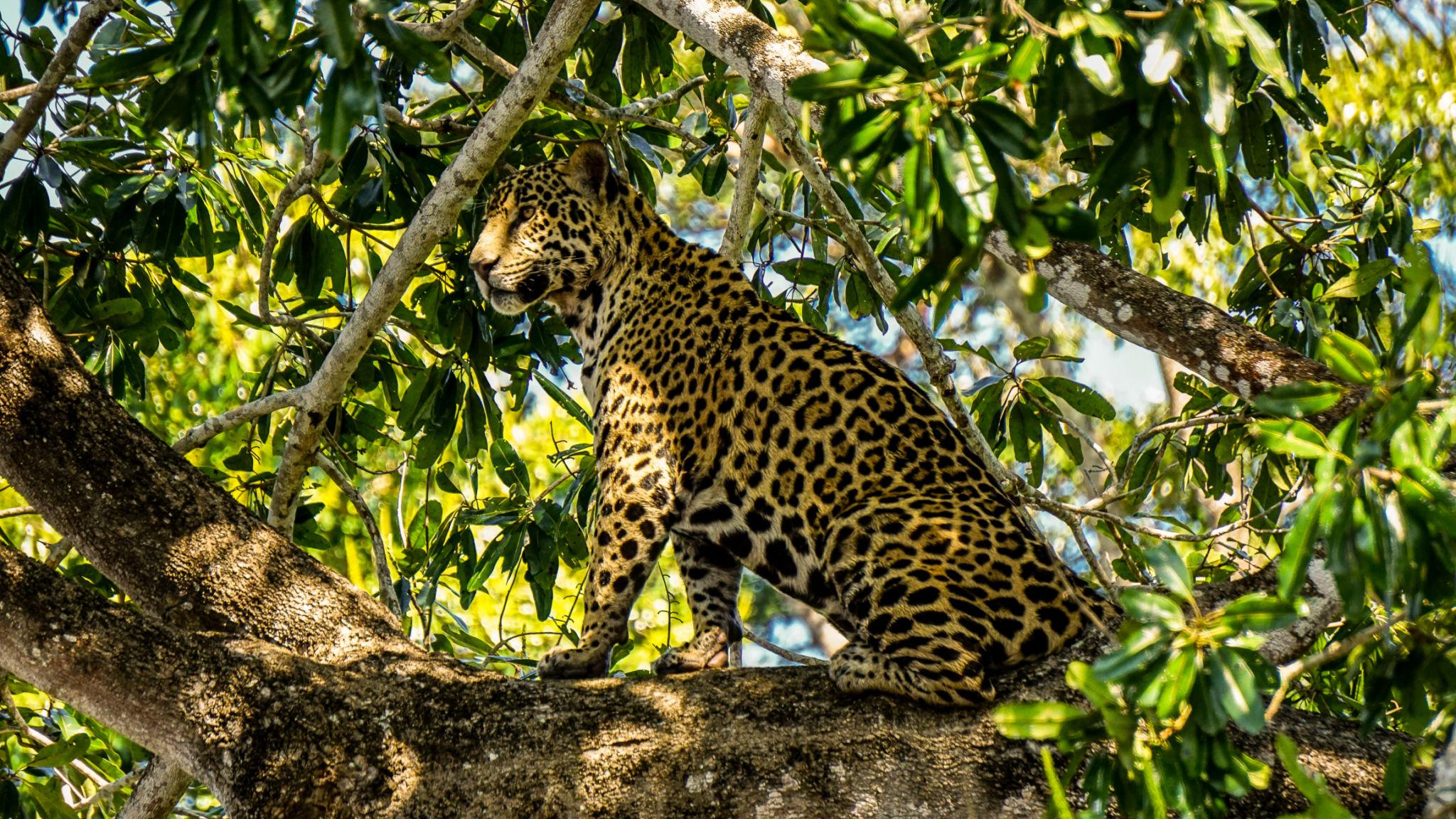
Similarly, the Pantanal—one of the world’s largest tropical wetlands—is gaining recognition as a premier destination for wildlife tourism. Visitors can experience close encounters with jaguars, capybaras, and hundreds of bird species, all within carefully managed eco-tourism frameworks designed to minimise environmental impact.
Brazil’s coastal regions also play a crucial role in the eco-tourism narrative. With thousands of kilometres of coastline, the country is promoting sustainable beach tourism, marine conservation initiatives, and eco-resorts that integrate environmental responsibility with luxury travel experiences.
Government agencies and tourism boards are working closely with local communities to ensure that tourism benefits are distributed equitably. Community-based tourism initiatives are empowering indigenous populations and rural communities, creating employment opportunities while preserving cultural heritage.
The campaign also focuses on educating travellers about responsible tourism practices. Visitors are encouraged to minimise waste, respect wildlife habitats, and support local businesses, contributing to a more sustainable tourism ecosystem.
However, challenges remain. Issues such as deforestation, climate change, and infrastructure limitations continue to pose risks to Brazil’s eco-tourism ambitions. Experts emphasise the need for strong regulatory frameworks, increased investment in conservation, and collaboration between public and private sectors.
Despite these challenges, Brazil’s eco-tourism strategy reflects a broader global shift toward sustainable travel. As travellers increasingly seek meaningful experiences that connect them with nature, Brazil is well-positioned to capture this growing market.
The country’s ability to balance tourism growth with environmental protection will ultimately determine its success in establishing itself as a global eco-tourism leader. With the right policies and continued investment, Brazil has the potential to set new benchmarks in sustainable tourism.
Follow Travel Trade News social media channels for the latest updates on travel, tourism, aviation, hospitality, and industry news.
To publish your news, press releases, or industry updates, reach out to us at connect@ttnconnect.world