
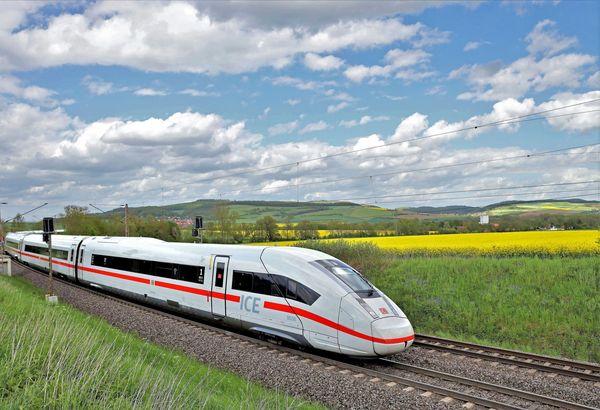
Berlin, 14 April: Germany is accelerating the expansion of its high-speed rail network as part of a broader strategy to promote sustainable mobility and reduce reliance on short-haul aviation.
The initiative is driven by Germany’s commitment to climate goals, which prioritise reducing carbon emissions across transportation sectors. High-speed rail is increasingly seen as a viable alternative to domestic and regional flights, offering lower emissions and efficient connectivity.
The expansion will include new routes, upgraded infrastructure, and enhanced integration with urban transit systems. The focus is on improving connectivity between major cities while also extending services to regional areas.
Germany’s national rail operator, Deutsche Bahn, is investing heavily in modern trains, digital ticketing systems, and passenger experience enhancements. These improvements aim to make rail travel more attractive, convenient, and competitive.
The move reflects a broader European trend, where governments are encouraging travellers to shift from air to rail for short-distance journeys. Policies such as flight restrictions on routes with rail alternatives are already being implemented in some countries.
Experts believe Germany’s investment in rail infrastructure will not only reduce emissions but also strengthen economic connectivity and regional development.
Follow Travel Trade News social media channels for the latest updates on travel, tourism, aviation, hospitality, and industry news.
To publish your news, press releases, or industry updates, reach out to us at connect@ttnconnect.world