
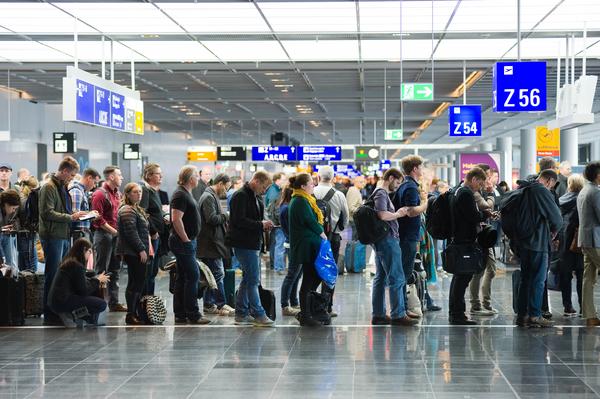
Bengaluru, 22 April: The Global Travel Industry is undergoing a major transformation in 2026, shaped by rising fuel costs, geopolitical tensions, and rapid technological innovation. While travel demand remains strong worldwide, airlines and tourism stakeholders are facing mounting pressure to balance costs, efficiency, and customer expectations.
Global Travel Industry Hit by Rising Fuel Costs
The Global Travel Industry is currently grappling with a sharp increase in jet fuel prices, largely driven by geopolitical instability. Airlines across regions are responding by cutting routes, increasing fares, and optimizing operations to maintain profitability.
Major carriers such as Deutsche Lufthansa AG have already reduced thousands of short-haul flights, reflecting a broader industry trend. Rising operational costs are forcing airlines to rethink capacity planning and prioritize high-demand routes.
Airline Capacity Cuts Reshape Global Travel Industry
Across the Global Travel Industry, airlines are reducing capacity and focusing on efficiency rather than expansion. Short-haul routes, which operate on thinner margins, are particularly affected.
According to data from Cirium Ltd., global airline capacity has already seen a noticeable dip, with several major airlines scaling back operations. This shift is expected to continue throughout 2026.
Travelers are also adapting to these changes by opting for shorter trips, nearby destinations, and flexible travel plans.
Premium Travel Gains Momentum
A key trend shaping the Global Travel Industry is the rise of premium and luxury travel. Airlines are increasingly investing in high-end offerings, including business-class upgrades, private suites, and personalized services.
This shift reflects a growing focus on high-value customers, as airlines seek to offset rising costs by targeting premium segments. At the same time, budget travel options are becoming more limited, leading to a more segmented market.
Innovation Driving the Future of Travel
Despite current challenges, innovation remains a strong growth driver in the Global Travel Industry. Cities like Dubai are introducing futuristic mobility solutions, including air taxis and advanced transport systems aimed at reducing congestion and travel time.


New airport developments in remote regions are also opening up previously inaccessible destinations, expanding global tourism opportunities.
Emerging Trends in the Global Travel Industry
Several major trends are redefining the Global Travel Industry in 2026:
- Domestic travel boom: Travelers are prioritizing local and regional destinations
- Experiential tourism: Demand for eco-tourism, wellness, and cultural travel is rising
- AI-driven planning: Technology is transforming booking and travel experiences
- Sustainability focus: Airlines and destinations are adopting eco-friendly practices
These trends highlight a shift toward more meaningful, personalized, and sustainable travel experiences.
Challenges Facing the Global Travel Industry
The Global Travel Industry is also facing multiple challenges, including:
- Rising fuel and operational costs
- Geopolitical uncertainties affecting travel demand
- Labor shortages and strikes in aviation
- Pressure on infrastructure due to high tourist volumes
These factors are likely to influence travel patterns and pricing strategies in the coming months.
Outlook
Despite short-term disruptions, the Global Travel Industry is expected to remain resilient. Long-term growth prospects are supported by increasing global connectivity, rising middle-class travel demand, and continued innovation.
Industry experts believe that adaptability and cost management will be key to navigating the evolving landscape. As airlines and tourism boards adjust their strategies, the Global Travel Industry is set to emerge stronger and more dynamic.
The Global Travel Industry is undergoing a significant transformation in 2026, driven by rising fuel costs, geopolitical tensions, and changing traveler preferences. Airlines are reducing capacity, increasing fares, and focusing more on profitability, especially on high-demand routes. At the same time, innovations such as air taxis and smart mobility solutions are reshaping how people travel. Demand for domestic, sustainable, and experiential tourism is also rising, as travelers seek meaningful and cost-effective experiences. Despite ongoing challenges, the Global Travel Industry remains resilient, with strong demand, technological advancements, and evolving strategies expected to drive long-term growth and redefine the future of global travel.