
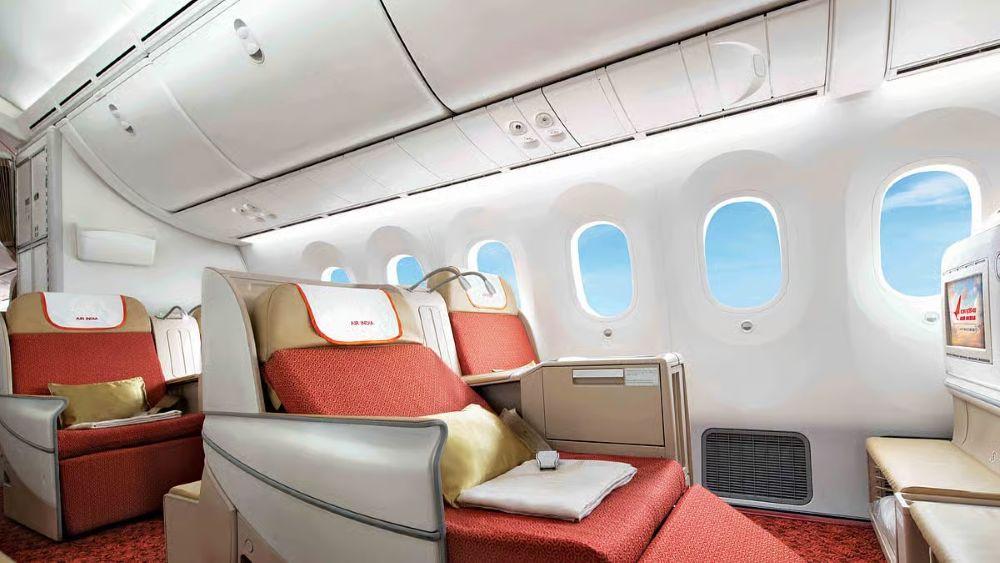
Bengaluru, April 19: Air India is accelerating its fleet modernisation strategy with plans to retrofit seven additional legacy Boeing 787-8 Dreamliners in 2026, reinforcing its transformation programme aimed at enhancing the long-haul passenger experience.
The decision to retrofit the Boeing 787-8 aircraft is part of a larger strategy that reflects Air India’s commitment to enhancing its operational efficiency and passenger satisfaction. This move is particularly significant given the growing competition in the aviation sector, where airlines are continually seeking to improve their service offerings and fleet capabilities.
This three-class configuration is designed to cater to a wide range of passengers, from business travelers seeking luxury and comfort to budget-conscious travelers looking for economical options without sacrificing quality. The improvements in cabin design not only enhance aesthetic appeal but also focus on ergonomics to ensure a comfortable journey.
The Tata Group-owned airline has already inducted its first retrofitted Boeing 787-8 aircraft, which arrived in New Delhi on April 13. The upgraded aircraft features a modern three-class configuration—business, premium economy, and economy—significantly improving cabin comfort, design, and onboard experience.
The strategic use of Boeing 787 aircraft connects Air India to numerous international gateways, providing seamless travel experiences for passengers. Enhanced features such as larger windows, better cabin pressure, and quieter engines contribute to reducing jet lag, making long-haul flights more pleasant.
As the first retrofitted aircraft sets the standard for future modifications, it embodies the airline’s broader vision of modernization. This plan includes not only upgrades to the 787-8s but also improvements in service delivery and customer engagement strategies.
This extensive overhaul is not just a cosmetic change; it also involves integrating the latest technology to enhance operational performance. For instance, new inflight entertainment systems provide passengers with a variety of content options, including movies, TV shows, and music, ensuring a rich entertainment experience during flights.
Focus on Long-Haul Travel Experience
Such transformative steps are crucial for Air India as it seeks to reposition itself in a competitive market. By investing in aircraft enhancements, the airline not only improves passenger experience but also builds brand loyalty among travelers who seek comfort and reliability in their long-haul journeys.
The Boeing 787 fleet plays a critical role in Air India’s long-haul operations, connecting India with major destinations across Europe, North America, and Asia. As competition intensifies in the international aviation sector, the airline is prioritising product upgrades to meet evolving passenger expectations.
Furthermore, the ongoing transformation is backed by a comprehensive marketing strategy that highlights these upgrades, targeting potential passengers who prioritize quality and service in their travel experiences. This approach not only promotes the airline’s new offerings but also reinforces its commitment to excellence.
As Air India progresses with its retrofit program, the airline’s focus on maintaining high standards throughout the retrofit process is paramount. Each aircraft is subjected to rigorous quality checks to ensure that every upgrade meets the expectations of discerning travelers.
According to Rajesh Dogra, Air India expects to complete the retrofit of eight legacy Boeing 787-8 aircraft this year, including the newly upgraded aircraft (VT-ANT).
The diversity of Air India’s fleet, with a mix of Boeing 787s and other aircraft types, allows the airline to operate efficiently across various routes. This flexibility is essential for adapting to changing passenger demands and optimizing operational performance.
Additionally, the introduction of new aircraft, such as the Airbus A350-1000s, will enable Air India to expand its reach further, providing more options for travelers across the globe. This expansion is a vital aspect of their strategic growth plan as they aim to capture new markets and increase their share in existing ones.
The retrofit programme involves a comprehensive nose-to-tail cabin overhaul, including new seating, upgraded interiors, enhanced inflight entertainment systems, and improved passenger amenities. The initiative is designed to align Air India’s onboard product with global airline standards.
The planned retrofitting of the Boeing 777s will bring additional enhancements to Air India’s long-haul offerings. By maintaining consistency across the fleet, the airline aims to provide a uniform experience that meets the high expectations of its international clientele.
Efficient processes for maintenance and modifications at Boeing’s facilities ensure that Air India’s aircraft undergo transformations quickly and effectively, minimizing downtime while maximizing operational capabilities.
Transformation Plan Gains Momentum
Competing in the international aviation space requires not only modern aircraft but also a commitment to service excellence. Air India’s modernization efforts are designed to attract travelers who are increasingly discerning about their travel experiences, aligning with global best practices in air travel.
As Air India continues to evolve, the modernization initiative is likely to play a significant role in shaping the future of air travel in India. By focusing on customer experience and fleet enhancement, the airline aims to reinforce its position as a leader in the industry.
The ongoing trends in the aviation sector indicate a move towards more sustainable practices, and Air India is keen on aligning its strategies with these developments. Implementing eco-friendly measures during the retrofit process could not only reduce environmental impact but also appeal to environmentally conscious travelers.
As the airline industry continues to recover from the challenges posed by the pandemic, Air India’s proactive approach to modernization sets a strong foundation for its future. By remaining adaptable and innovative, the airline is well-positioned to meet the needs of a diverse range of passengers.
Air India’s CEO and Managing Director Campbell Wilson described the retrofit programme as a major milestone in the airline’s ongoing transformation journey.
“The retrofit of our first widebody aircraft is a visible symbol of the momentum behind our transformation. With 25 other 787s undergoing this comprehensive refresh, we are modernising the backbone of our long-haul fleet,” he said.
The airline aims to complete approximately 85% of its legacy Boeing 787-8 retrofit programme by the end of 2027, with full completion targeted by the first quarter of 2028.
Fleet Expansion and Modernisation Strategy
Air India currently operates a fleet of over 190 aircraft, including 33 Boeing 787 Dreamliners. This includes 26 legacy Boeing 787-8 aircraft and seven Boeing 787-9 aircraft, comprising both newly inducted planes and those integrated from Vistara.
As part of its broader expansion strategy, the airline plans to induct six new widebody aircraft in 2026, including Boeing 787-9s and Airbus A350-1000s. Additionally, around 20 narrow-body aircraft are expected to join the fleet, supporting both domestic and regional network growth.
Next Phase: Boeing 777 Retrofit Programme
Looking ahead, Air India is preparing to begin retrofitting its Boeing 777 fleet in the second half of 2027. This move will further strengthen the airline’s premium long-haul offering and ensure consistency across its widebody fleet.
In conclusion, the retrofitting of Boeing 787-8 aircraft marks a significant step in Air India’s commitment to excellence and innovation in the aviation industry. By enhancing their fleet and focusing on passenger needs, Air India is poised to become a significant player in the long-haul travel market.
The retrofit work for the Boeing 787 aircraft is being carried out at Boeing’s modification facility in Victorville, California, while aircraft repainting is undertaken at AeroPro in San Bernardino.
Strengthening Global Competitiveness
Air India’s fleet modernisation comes at a crucial time as the airline intensifies efforts to compete with leading global carriers and domestic rivals in the premium long-haul segment. By introducing upgraded cabins, premium economy seating, and enhanced onboard services, the airline aims to attract both business and leisure travellers.
From a travel trade perspective, the modernisation programme is expected to improve passenger satisfaction, strengthen India’s position in global aviation, and increase competitiveness in international markets.
The initiative also reflects broader industry trends, where airlines are investing heavily in fleet upgrades and customer experience to drive growth and capture premium demand in long-haul travel.
Follow Travel Trade News social media channels for the latest updates on travel, tourism, aviation, hospitality, and industry news.
To publish your news, press releases, or industry updates, reach out to us at connect@ttnconnect.world