
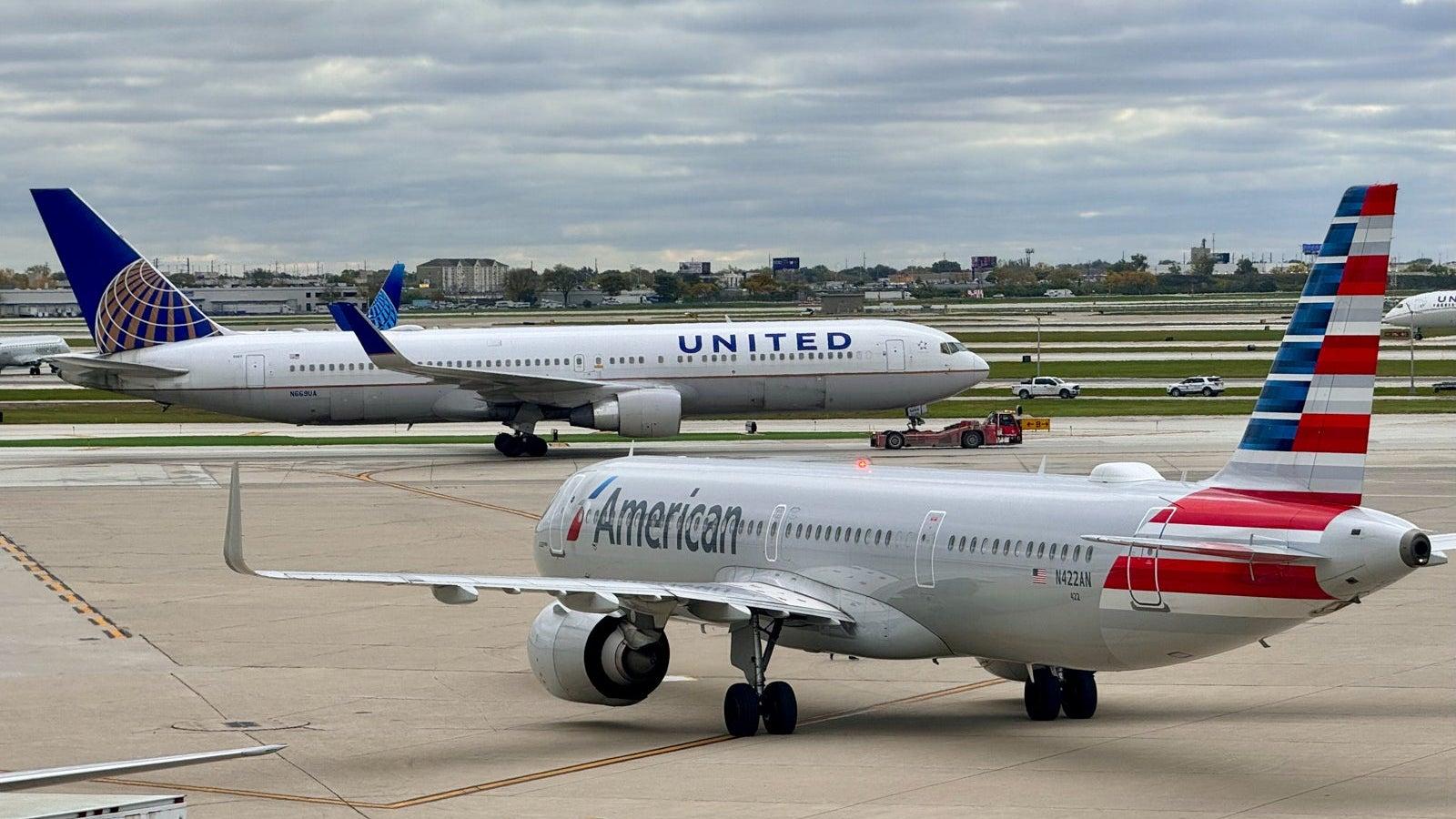
New York, 18 April: The development that American Airlines rejects merger talks with United has effectively ended speculation about a potential mega-merger in the U.S. aviation sector. American Airlines confirmed it has no interest in pursuing a deal with United Airlines and has not engaged in any formal discussions.
The clarification follows growing industry chatter after Scott Kirby reportedly raised the idea during a meeting with Donald Trump earlier this year.
Antitrust Concerns Behind the Decision
A major reason American Airlines rejects merger talks with United is the potential impact on competition. In its official statement, the airline emphasized that such a merger would be harmful to consumers in an already concentrated market.
“While changes in the broader airline marketplace may be necessary, a combination with United would be negative for competition and for consumers,” the airline said.
Industry experts highlight that both carriers have significant overlap, particularly in key hubs such as Chicago O’Hare and across major U.S. markets. A merger could reduce competition on high-demand routes, potentially leading to higher fares and fewer choices.
Market Dominance Risks
The fact that American Airlines rejects merger talks with United also reflects concerns over excessive market concentration. Both airlines are among the largest globally by capacity.
A combined entity could:
- Dominate domestic U.S. routes
- Strengthen international market control
- Increase pricing power
Such dominance would likely trigger strong regulatory scrutiny and opposition from consumer groups.
Economic Pressures Driving Merger Speculation
Even though American Airlines rejects merger talks with United, the speculation highlights broader challenges in the aviation sector.
Airlines are currently facing:
- Rising jet fuel prices
- Increasing operational costs
- Pressure on profitability
Some analysts believe consolidation could improve efficiency and reduce costs. However, critics argue that mergers often result in reduced competition and higher ticket prices, particularly in mature markets.
Regulatory Environment Limits Possibility
Another key factor why American Airlines rejects merger talks with United is the strict regulatory environment in the United States. Authorities have taken a stronger stance on antitrust enforcement, focusing on protecting consumers and maintaining competition.
Sources indicate skepticism within the White House regarding such a large-scale merger, especially given its potential impact on pricing and service quality.
Historically, airline mergers in the U.S. undergo intense scrutiny, making approval for a deal of this scale highly unlikely.
Global Aviation Impact
The decision that American Airlines rejects merger talks with United carries implications beyond the U.S. market. A merger of this scale could have reshaped global aviation dynamics.
Potential impacts could have included:
- Changes in airline alliances
- Increased consolidation worldwide
- Reduced competition across international routes
However, with the proposal effectively ruled out, such large-scale changes are unlikely in the near term.
Travel Trade Perspective
For the travel trade, the fact that American Airlines rejects merger talks with United highlights the balance between expansion strategies and regulatory limitations.
While mergers can offer benefits such as network expansion and operational efficiency, they also raise concerns:
- Reduced competition
- Higher fares
- Limited consumer choice
The current decision suggests that regulatory barriers will continue to play a major role in shaping the future of airline consolidation.
Future Outlook for Airline Industry
Looking ahead, airlines are expected to focus on alternative strategies rather than large-scale mergers. These may include:
- Strategic alliances
- Code-sharing agreements
- Fleet optimization
- Cost management initiatives
As the industry navigates economic and regulatory challenges, maintaining competitive balance will remain a priority for both airlines and regulators.
✈️ TTN Note
Travel Trade News (TTN) delivers the latest updates on aviation, tourism, and global travel trends.
For publishing opportunities, contact: connect@ttnconnect.world